


Dear friends,
The Gospel this week turns on two words in the middle of a parable, and most of us read straight past them.
Jesus says the king was moved with compassion, and the Greek verb underneath that phrase is built from splagchna, the word for the guts — a feeling that lands in the body before the mind can vote on it.
Empathy isn’t optional for Christians.
These Scripture reflections are available exclusively to paid subscribers. If my work means something to you, I’m asking for your help.
If you’d like to invest in our mission during this critical time, here are three ways you can help:
Subscribe as a paid member to receive exclusive posts about the life and formation of Pope Leo and help sustain this newsletter.
Donate with a one-time gift to fuel this project’s mission.
Share this post (and Letters from Leo) with a friend who might enjoy it.
Whether you give $0, $5, $50, $500, $1,000, or more, your presence here matters — no matter your faith or your politics.
Thank you for reading. I’ll see you on the road.

“Moved with compassion the master of that servant let him go and forgave him the loan.” — Matthew 18:27
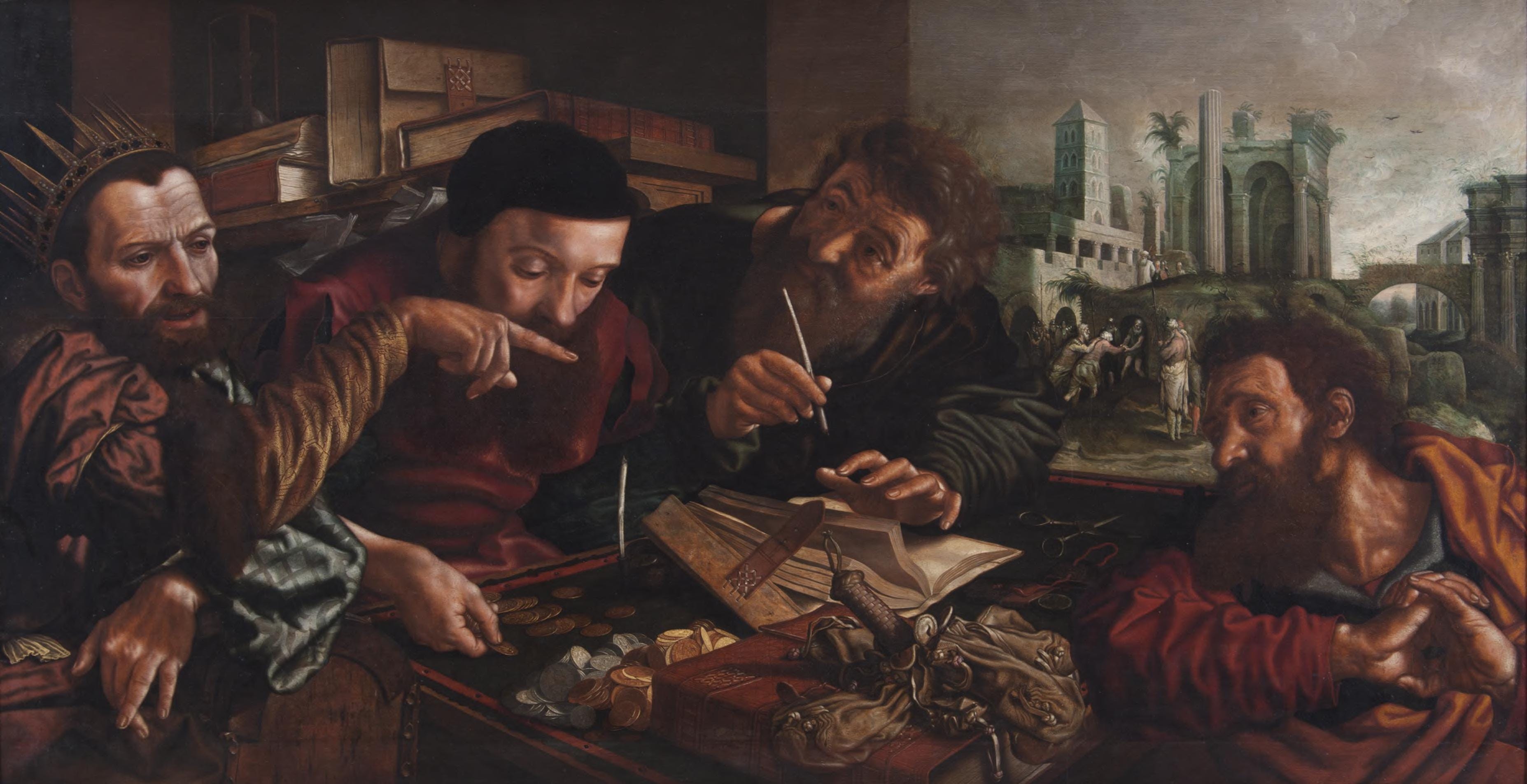
The Gospel this week turns on two words in the middle of a parable, and it’s easy to skip right past them. A servant owes his king ten thousand talents, a sum no laborer could earn in a thousand lifetimes, and the king orders him sold along with his wife and children.
The man falls on his face and begs for time. Then Matthew writes: “Moved with compassion the master of that servant let him go and forgave him the loan.”
Matthew chose that verb with care. The Greek is splagchnistheis, built from splagchna, the word for the guts, the organs behind the ribs.
It names a feeling that lands in the body before the mind has a chance to even consider it.
Matthew uses the same word for Jesus when he looks out at the crowds and sees sheep without a shepherd, and again outside Jericho, where he stops to touch the eyes of two blind men.
Luke uses it to describe the Samaritan on the road and to the father who runs down the lane toward his prodigal son.
Whenever the evangelists want to show us God’s own heart in motion, this is the word they reach for, and in this parable the king gets it. The king, Jesus tells us, is the Father.
These are striking words to hear in the week of the twenty-fifth anniversary of September 11. Pope Leo XIV knew what the calendar held.
