


Dear friends,
Letters from Leo’s Sunday Reflection Series are essays grounded in the Mass readings — offering a clear-eyed way to follow Jesus amid today’s political realities, not by retreating from public life or baptizing any ideology, but by letting the Gospel shape our conscience, courage, and compassion.
These reflections will be available to all paid subscribers, as a small but sincere way of saying thank you for making Letters from Leo possible.
Letters from Leo is open to anyone who wants to be informed and inspired by our pope — and to turn that inspiration into action that leaves America and the world more just, less cold, and more alive with hope.
If you’d like to invest in our mission during this critical time, here are three ways you can help:
Subscribe as a paid member to receive exclusive posts about the life and formation of Pope Leo and help sustain this newsletter.
Donate with a one-time gift to fuel this project’s mission.
Share this post (and Letters from Leo) with a friend who might enjoy it.
Whether you give $0, $1, $100, $500, $1,000, or more, your presence here matters — no matter your faith or your politics.
Thank you for reading. I’ll see you on the road.

“Blessed are you, Father, Lord of heaven and earth; you have revealed to little ones the mysteries of the kingdom.” — Cf. Matthew 11:25
Most parishes in America skip this verse. The lectionary sets it between the second reading and the Gospel, a single line meant to be sung inside the alleluia, and most cantors let the melody run on without it.
Liturgists call it the Gospel acclamation. Almost nobody notices it at all. Today the forgotten line happens to be the key that unlocks everything after it: “Blessed are you, Father, Lord of heaven and earth; you have revealed to little ones the mysteries of the kingdom.”
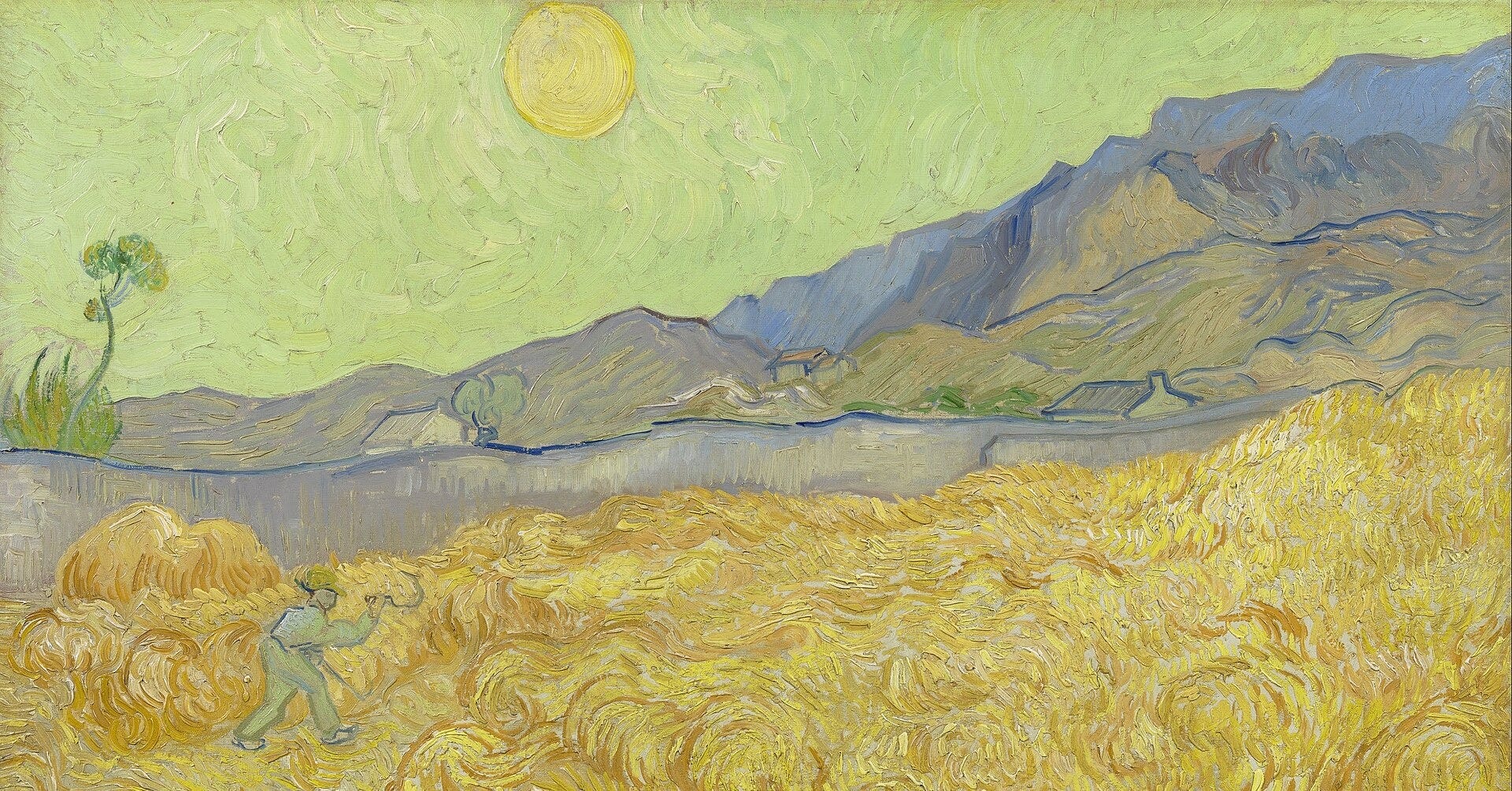
Hold that verse in your hand as you listen to the parable. A farmer sows good seed in his field. While everyone sleeps, an enemy scatters weeds through the wheat and slips away. When the crop comes up, the sabotage comes up with it. The farmhands want it fixed immediately and by force.
The owner tells them no: “If you pull up the weeds you might uproot the wheat along with them. Let them grow together until harvest.”
Last Sunday we watched this same farmer fling seed onto footpaths and rock shelves, and I argued that his recklessness is the point — nobody gets skipped.
This week Matthew paints the other half of the portrait. The God who sows without testing the soil also declines to weed. He plants among the thistles. His field will not be cleaned up ahead of the harvest, and he seems strangely at peace about that.
Look at what the parable refuses to say about the weeds. Jesus never suggests God created them. When the servants ask where they came from, the owner answers in four words, “An enemy has done this,” and in his private explanation to the disciples he names that enemy as the devil.
The weed in question was almost certainly darnel, a grass so similar to young wheat that the two cannot be told apart until the heads form. The rabbis called it zunin and treated it as wheat gone astray, grain that had abandoned its own nature. This is an important lesson. Evil is oftentimes adjacent to the good.
God allows what he does not create. Here’s what I mean.
