
“Let No One Be Lost” — Pope Leo Urges Clemency as Prisons Overflow
The first American pope calls on governments to reduce overcrowding, expand rehabilitation, and use pardons for nonviolent offenders.
Thank you for reading! Letters from Leo is a reader-supported publication. If you find value in my work, please consider becoming a paid subscriber or making a one-time donation.
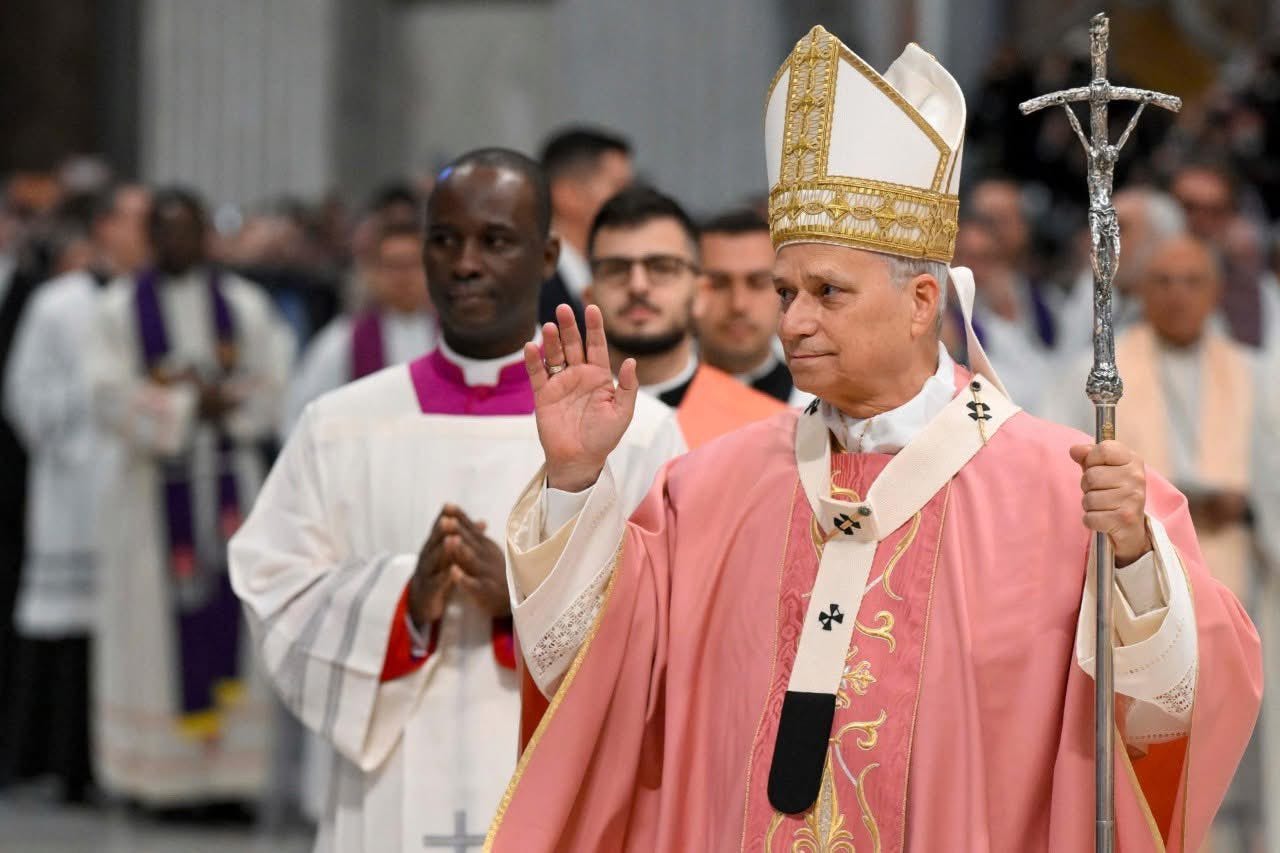
On Sunday in Rome, Pope Leo celebrated a special Jubilee Mass for prisoners and those who work with them.
In a homily filled with compassion and urgency, he acknowledged that prison is a harsh environment where “even the best proposals can encounter many obstacles.”
Yet Leo insisted that society must not give up on those behind bars.
If we create space for mercy and rehabilitation even in difficult conditions, he said, “wonderful flowers” of humanity can still bloom within prison walls.
Leo stressed that true justice can’t be reduced to sheer punishment.
“Many still fail to understand that from every fall, one must be able to get back up,” he said, driving home the Christian belief that nobody is beyond redemption.
“No human being is defined only by what they have done,” Leo added.
He then pinpointed urgent problems: chronic overcrowding in prisons, a lack of stable rehabilitation programs, and few opportunities for inmates to work or learn.
Leo urged authorities to change this status quo, emphasizing that we must “never tire” of helping prisoners rebuild their lives.
Crucially, the pope also called on governments to show clemency.
Echoing the late Pope Francis, he appealed for Jubilee Year “amnesty or pardon” initiatives to help deserving prisoners regain confidence in themselves and society.
Leo expressed hope that many countries will grant such pardons or early releases, especially for nonviolent offenders, as a concrete way to inject hope into penal systems.
“The Lord… continues to repeat that only one thing is important: that no one be lost,” Leo proclaimed, reminding everyone that God “wants all to be saved” — even those behind bars.

The pope’s plea carries weight in his home country.
The United States has one of the highest incarceration rates in the world, and many of its prisons are exactly what Leo warned against: overcrowded and short on rehabilitation.
After decades of growth, the U.S. prison population remains massive and is climbing at steeper rates now. This puts severe pressure on facilities already stretched thin. In Alabama, state prisons are running at nearly 200% of their intended capacity.
Some officials have begun to respond. In several states, lawmakers and parole boards have pursued measures like “second look” sentencing reviews and expanded early release for nonviolent inmates.
These reforms aim to ease overcrowding and give people a second chance. Advocates are also pushing for better rehabilitation behind bars, recognizing that preparing inmates for re-entry makes communities safer and more just.
Still, the gap between Pope Leo’s vision and American reality remains large. Many U.S. prisons offer minimal rehabilitation, and mercy is often in short supply.
While there have been some notable acts of clemency, they are the exception rather than the rule.
As Pope Leo reminded us, “much remains to be done in the prison world.”
His Gaudete Sunday challenge is a timely one for the United States: Will we continue to tolerate a punitive status quo — or will we build a civilization of love that actually believes in redemption?
Pope Leo names what our politics too often refuses to face: overcrowding, neglect, and the slow spiritual death that comes when a society decides some people are simply disposable. And then he offers a Catholic word that still scandalizes modern power: mercy — not as softness, but as courage.
“Let no one be lost. Let all be saved.” That line is not overwrought piety. It’s a direct indictment of a system that profits from failure, and a summons to the rest of us: judges, lawmakers, voters, parishioners — anyone tempted to confuse vengeance with justice.
Letters from Leo exists to spotlight moments like this, connecting the dots others miss. A pope celebrating Gaudete Sunday with prisoners and guards isn’t “a niche Vatican story.”
It’s a mirror held up to the United States — to our crowded cellblocks, our underfunded rehabilitation, our reflexive harshness toward the nonviolent, and our political cowardice about clemency.
Advent is a season of waiting — but it is not a season of passivity. If Christmas is true, then no human being is beyond return. The only question is whether we will make room for that return — in our laws, our budgets, our rhetoric, and our own hearts.
Starting on November 30, all paid subscribers have been receiving the Letters from Leo Advent Reflection Series — a daily companion to prepare for the coming of Christ at Christmas, and to reckon with what his arrival demands in a nation veering toward fascism.
The Darkness Will Be My Light
Rejoicing doesn’t mean denial. It means learning to listen — especially when the world is loud and cruel.
It’s not too late to sign up by becoming a paid subscriber and catching the remaining reflections. The series runs through Christmas Day.
If you want to support this mission during this Advent season, here’s how you can help:
Subscribe as a paid member to receive exclusive posts about the life and formation of Pope Leo and help sustain this newsletter.
Donate with a one-time gift to fuel this project’s mission.
Share this post (and Letters from Leo) with a friend who might enjoy it.
Whether you give $0, $1, or $1,000, your presence here matters — no matter your faith or your politics.
Thank you for reading. I’ll see you on the road.


My parish has a jail ministry for people who are in the county jail awaiting trial or for misdemeanors. I think it’s wonderful that people are willing to do that.