


Dear friends —
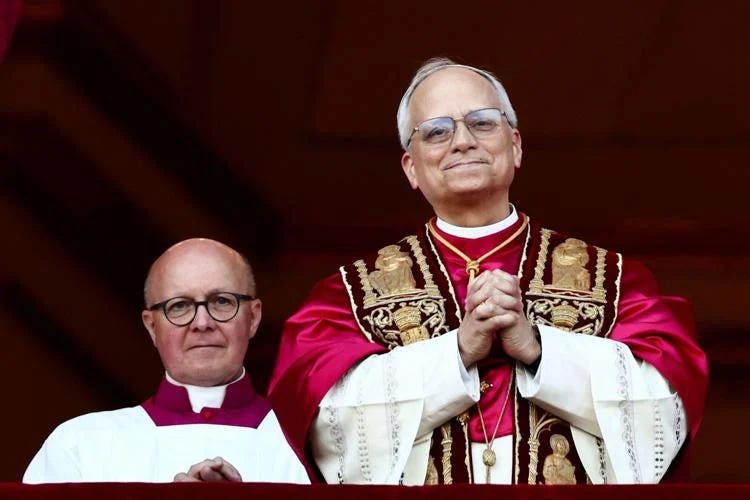
Happy New Year! Today’s piece is a subscriber-only deep dive into a remarkable and under-the-radar Vatican shake-up. Just days ago, a routine holiday event in Rome turned into a minor scandal with major implications.
During Pope Leo XIV’s Christmas greetings to the Roman Curia, one of his own masters of ceremonies was caught on a hot mic muttering a homophobic slur.
The Vatican watchdog outlet Silere Non Possum first reported the audio earlier this week, and by this morning our sources in the Vatican confirmed their reporting: Pope Leo had swiftly removed the priest — Monsignor Marco Agostini — from his liturgical post.
Outside of niche Catholic circles, this story has barely made a blip. But it speaks volumes about how the first American pope is handling the Church’s internal culture wars, and where he draws the line.
This is exactly why Letters from Leo exists.
In a media landscape where tech outlets don’t follow Vatican intrigue, and religion reporters might miss the inside-baseball of curial gossip, we connect the dots others overlook.
Here we have a clash of tradition, scandal, and reform playing out in real time — yet it hasn’t hit mainstream headlines.
Pope Leo’s decisive response to an ugly comment is more than just a personnel matter; it’s a window into how he intends to govern a divided Church.
Today’s essay unpacks who Monsignor Agostini is, why his hot-mic outburst became a make-or-break moment, and what this tells us about Pope Leo’s approach to the Latin Mass debate.
We’ll explore how a priest famed for traditional liturgy became a flashpoint, why Leo’s reaction had nothing to do with Latin chant and everything to do with basic decency, and how this episode sets the stage for the extraordinary consistory Pope Leo has called for next week to address liturgical unity.
If you’re already a subscriber, thank you — you make this work possible. If you’re not, I invite you to subscribe today for full access to all our coverage of Pope Leo XIV and his impact.
You’ll also receive our Sunday Reflection Series, rooted in the Mass readings of the day, and written to help us think more clearly about what it means to follow Jesus in the middle of today’s political realities.
God Entered History Through a Refugee Family

Christmas is a season that reveals who is saved: the displaced outside our walls and the unwanted inside them.
Letters from Leo is open to anyone who wants to be informed and inspired by our pope — and to turn that inspiration into action that leaves America and the world more just, less cold, and more alive with hope.
If you’d like to invest in our mission during this holiday season, here are three ways you can help:
Subscribe as a paid member to receive exclusive posts about the life and formation of Pope Leo and help sustain this newsletter.
Donate with a one-time gift to fuel this project’s mission.
Share this post (and Letters from Leo) with a friend who might enjoy it.
Whether you give $0, $1, or $1,000, your presence here matters — no matter your faith or your politics.
Thank you for reading. I’ll see you on the road.

It was supposed to be a cordial holiday address, full of season’s tidings. Instead, a terse Italian phrase picked up in the background of the Vatican’s official video has sent shock waves through Roman ecclesial circles.
During Pope Leo XIV’s annual Christmas greeting to the cardinals and bishops of the Curia, a voice — now attributed to a Pontifical Master of Ceremonies Monsignor Marco Agostini — was caught muttering “culattoni tutti insieme,” which roughly translates to “the f**ots all together*.”
The off-color remark was barely audible, and its target unclear, but it was enough. Within days, the Vatican’s Office for Liturgical Celebrations had shown Agostini the door.
In one stroke, the pope made it clear that no amount of sanctity in ceremony can cover for a lapse in charity.
A Latin Mass Hero Falls from Grace
For many, Agostini’s downfall is especially jarring because of who he was. This wasn’t a rogue outsider; he was one of the Vatican’s veteran ceremonieri and a prominent champion of the Traditional Latin Mass. “One of the leading advocates of the Latin Mass in Rome,” is how The Washington Post recently described him.
The 52-year-old Veronese priest regularly celebrated the old rite in the crypt of St. Peter’s and rubbed shoulders with the traditionalist elite on annual pilgrimage Masses. After Francis dramatically restricted the Latin Mass in 2021, Agostini appealed and received a special personal permission to continue offering the Tridentine liturgy each week.
In short, Monsignor Agostini had become a minor legend among Latin Mass enthusiasts, proof that a traditionalist could still thrive in the heart of Leo XIV’s Vatican. That reputation makes his abrupt removal all the more striking.
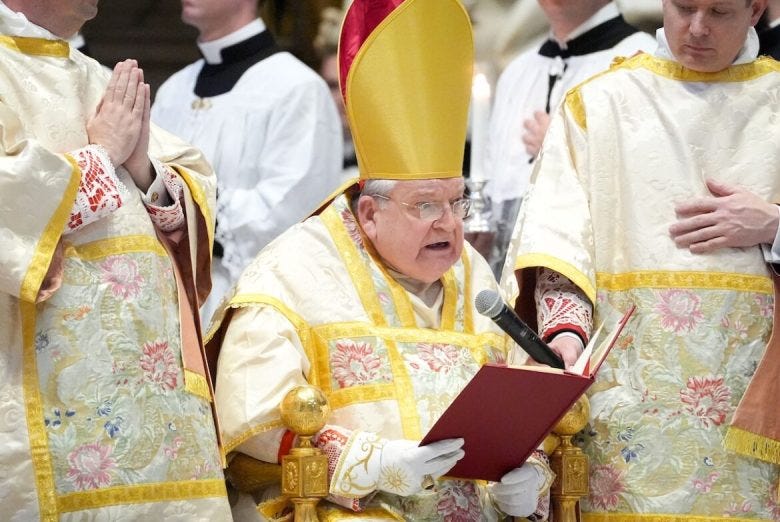
A month ago, Agostini was helping Cardinal Raymond Burke vest for a Latin Mass in St. Peter’s Basilica — with Pope Leo’s acceptance. Now he’s barred from papal ceremonies, his once-bright future suddenly dimmed.
Traditionalist commentators wasted no time crying foul. Within hours of the news breaking, conservative Catholic blogs were defending Agostini and decrying what they see as a double standard.
I Love This Church. I Love This Country. And I Refuse to Give Up on Either.

As we begin 2026, I’m asking you to help build something sturdy enough to stand against cynicism, authoritarianism, and despair.
After all, they argue, Vatican officials who flouted celibacy or engaged in financial scandal have often quietly been given second chances – yet one murmured slur from a Latin Mass devotee brought the hammer down at once.
The Spanish outlet InfoVaticana darkly noted that Agostini’s traditionalist profile “is an uncomfortable ecclesial position for some. And when the profile becomes bothersome, any pretext will do.”
In their view, the problem wasn’t the phrase — it was who said it. They accuse Pope Leo’s team of seizing on an ambiguous, off-the-record comment to eliminate a rival from the old-rite camp.
Bigotry, Not Liturgy, Crossed the Line
Yet, Agostini’s liturgical leanings played little to any role in his ouster. The issue was the content of his comment, plain and simple.
Leo has shown generosity toward Catholics attached to the pre-Vatican II Mass — from wearing older style vestments to personally authorizing a few special Latin Masses — but he has zero tolerance for what he calls the “political weaponization” of faith, And that weaponization can be ideological or personal.
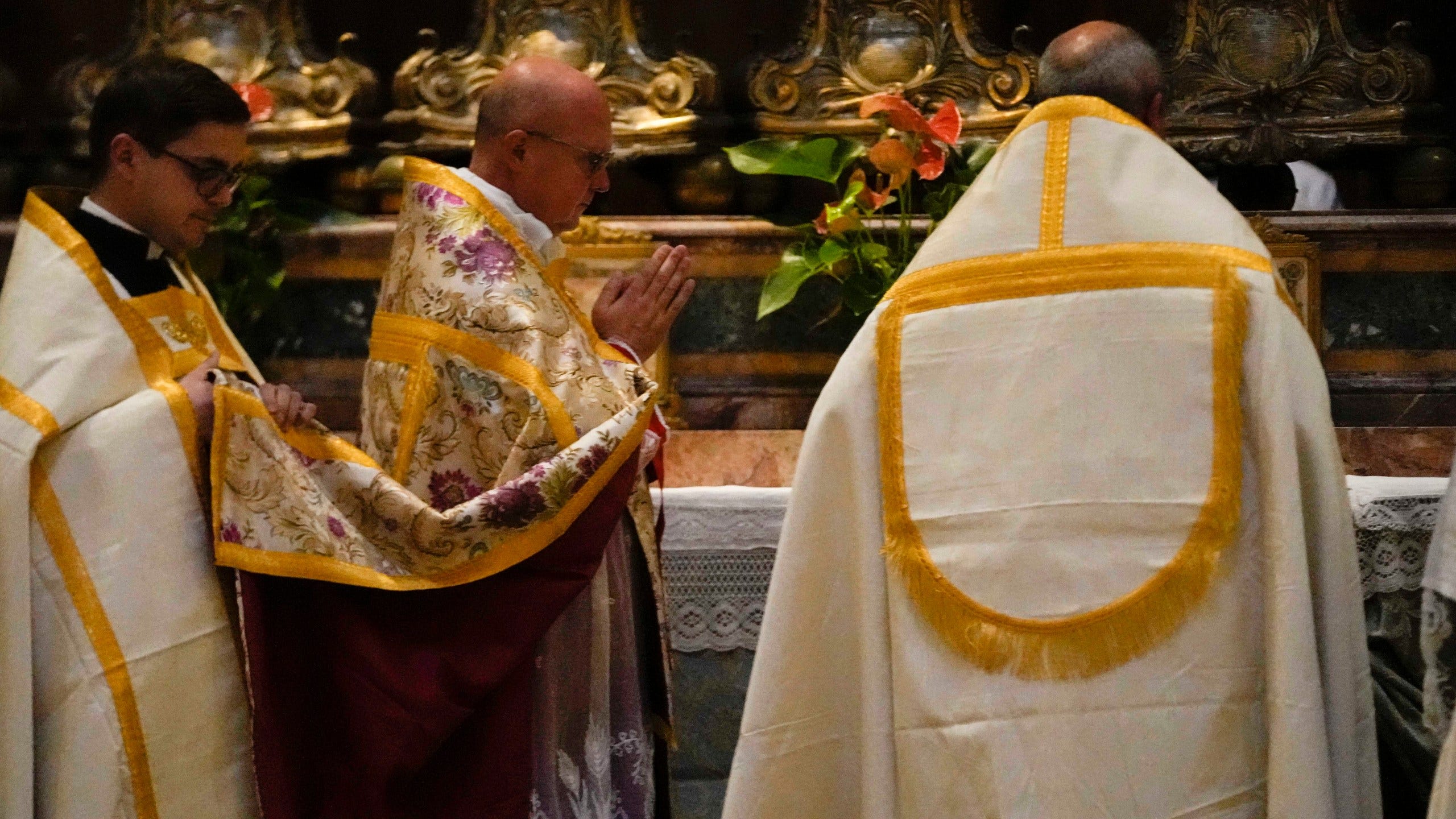
In this case, it wasn’t a public act of defiance against Church authority that sealed Agostini’s fate, but a cruel aside that betrayed the very Gospel values the Mass represents.
By acting decisively, Leo XIV drew a crucial distinction: love for the old liturgy is one thing, but using demeaning language — effectively slandering colleagues as morally corrupt — is quite another. The Latin Mass isn’t the issue here at all. The issue is Christian charity.
Pope Leo’s response signals that he will defend marginalized people (in this case, gay Catholics) even if it means upsetting allies in the liturgical traditionalist camp. It’s a stance in continuity with his broader papacy, where he has often sided with the vulnerable and admonished the powerful.
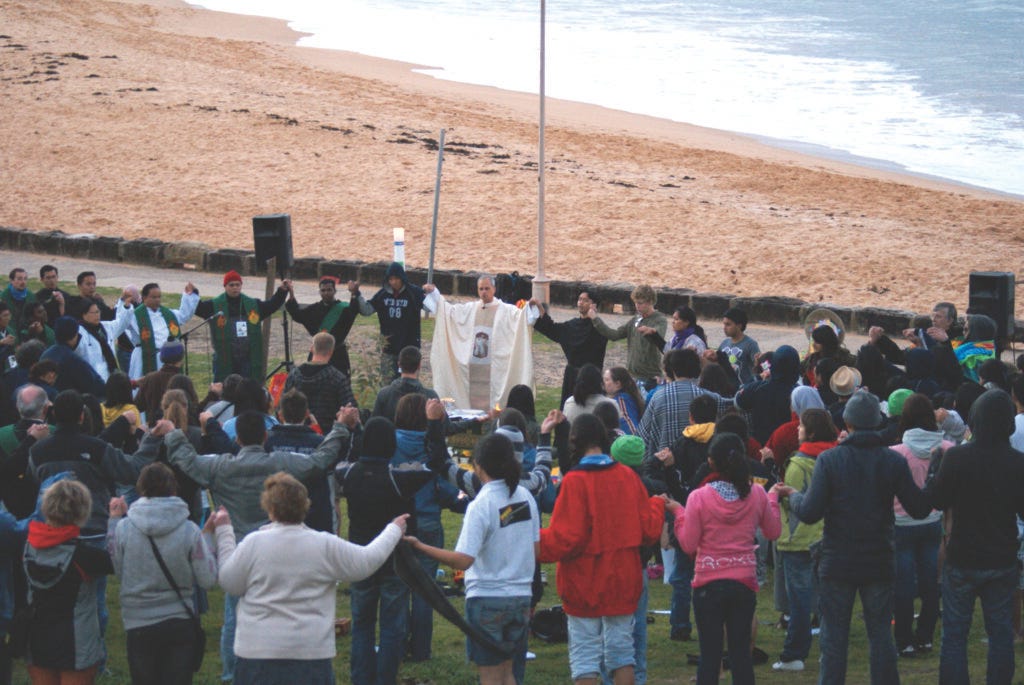
In his first apostolic exhortation, Leo wrote that God has a special love for those on the margins of society, and he warned against any culture — secular or ecclesial — that treats people as disposable.
That ethos seems very much at play in how he handled this mini-crisis: choosing solidarity with an insulted minority over indulgence of a high-ranking cleric’s lapse.
A Preview of Leo’s Latin Mass Strategy
The Agostini affair may be a small drama, but it offers a telling preview of how Pope Leo might navigate the larger Latin Mass controversy he’s about to confront. Ever since his election, pressure has been building from some quarters to undo Pope Francis’s restrictions on the old rite. Traditionalist leaders have lobbied Leo XIV to broadly permit the Tridentine Mass again.
They see the first American pope, who in some ways embraces traditional aesthetics, as their best hope. And indeed, Leo has tried to show respect to the “treasure” of the ancient liturgy: he’s allowed notable celebrations and reassured the faithful that he is willing to sit down and talk with Latin Mass supporters.
But Leo has also voiced the same concern that prompted Francis’s crackdown.
“People have used the liturgy as an excuse for advancing other agendas. It’s become a political tool, and that’s very unfortunate,” he observed in an interview with Crux’s Elise Ann Allen this past summer.
Here’s the background and how Leo will approach this in the weeks to come.
