


Dear friends,
Letters from Leo’s Sunday Reflection Series are essays grounded in the Mass readings — offering a clear-eyed way to follow Jesus amid today’s political realities, not by retreating from public life or baptizing any ideology, but by letting the Gospel shape our conscience, courage, and compassion.
These reflections will be available to all paid subscribers, as a small but sincere way of saying thank you for making Letters from Leo possible.
Letters from Leo is open to anyone who wants to be informed and inspired by our pope — and to turn that inspiration into action that leaves America and the world more just, less cold, and more alive with hope.
If you’d like to invest in our mission during this critical time, here are three ways you can help:
Subscribe as a paid member to receive exclusive posts about the life and formation of Pope Leo and help sustain this newsletter.
Donate with a one-time gift to fuel this project’s mission.
Share this post (and Letters from Leo) with a friend who might enjoy it.
Whether you give $0, $1, $100, $500, $1,000, or more, your presence here matters — no matter your faith or your politics.
Thank you for reading. I’ll see you on the road.

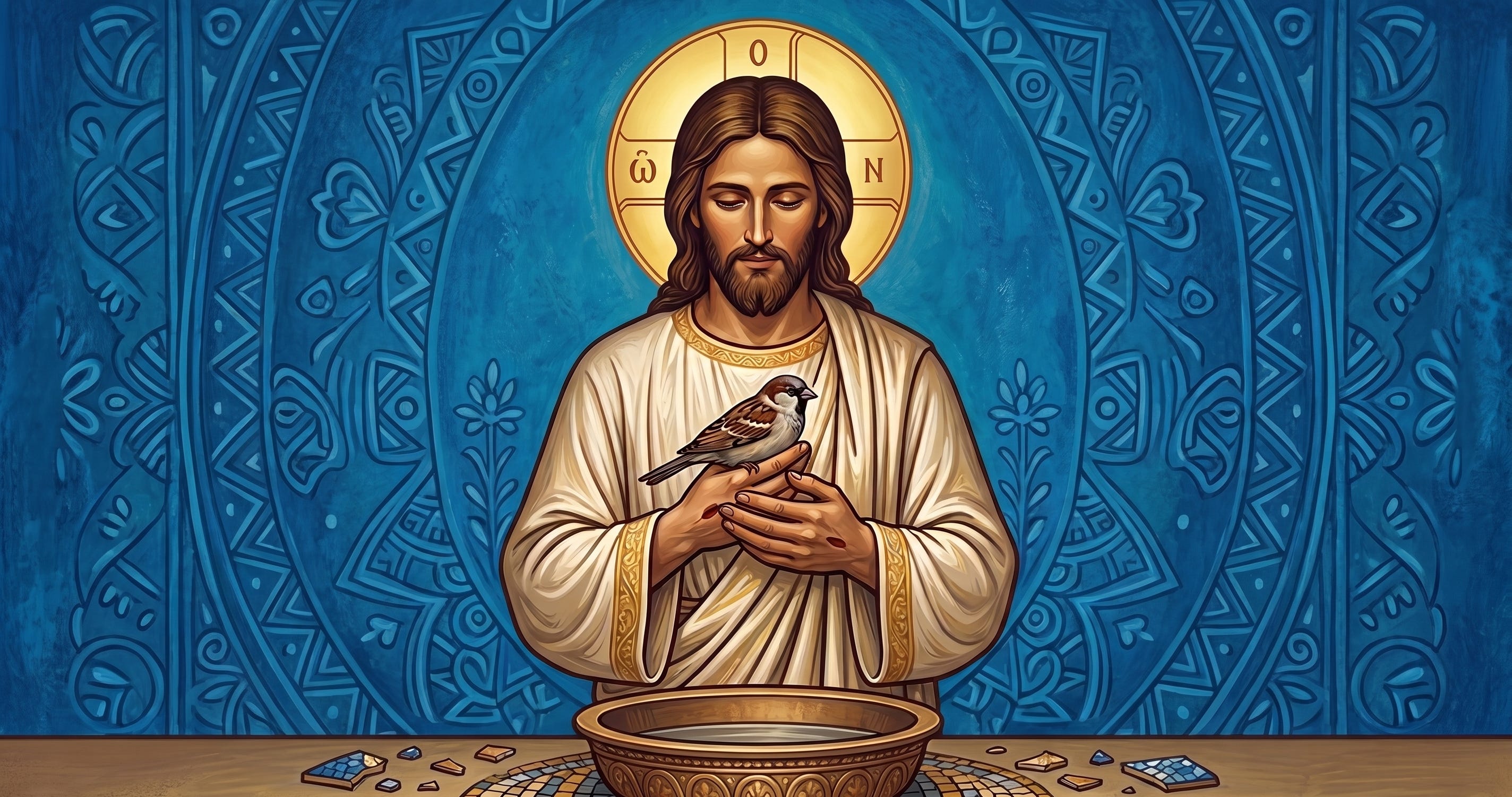
“So do not be afraid; you are worth more than many sparrows.” — Matthew 10:31
“Fear no one.”
Jesus says it to the Twelve at the start of today’s Gospel, then says it twice more before he finishes. Three times in eight verses he tells frightened men to stop being afraid. He is not unusual in this. No command appears in scripture more often than the command not to be afraid.
Of all the things God says to human beings, this is the one that recurs most.
That repetition is not a stylistic flourish, but a human diagnosis. Here’s what I mean.
