


Dear friends,
Each Sunday, Letters from Leo published a Scripture reflection series.
This series is exclusively available to paid subscribers.
Each meditation explores what it means to follow Jesus more faithfully — not as partisans first, but as Christians whose consciences are shaped by the life, death, and resurrection of Jesus of Nazareth.
These reflections are personal writing: vulnerable, searching, and grounded in the conviction that repentance, renewal, and resolve are not abstract concepts but daily choices.
If they’ve meant something to you this, I hope you’ll consider making a one-time gift to support our work.
I invite you to walk with us throughout these fifty days of Easter as we experience the joy of the risen Jesus.

PS — I created a Spotify playlist for your Easter season reflection. It comes directly from recommendations made by this community. I hope it helps as you rest in the peace of Easter.
When I was young, Easter lasted about forty-five minutes. There was the Mass, brunch, and the basket of candy, and by the afternoon we had moved on. The resurrection had happened. We celebrated. Now it was done.
As I grew up and started to take my faith more seriously, I became intrigued with the idea of the octave.
In Christian understanding, the past eight days have actually been a single extended day of Easter. Not eight separate days.
One day — stretched across a week, refusing to end, because the Church believed that the resurrection was too enormous to be contained in twenty-four hours. Today that day finally closes.
We end the Mass the way we have ended every Mass this week:
Thanks be to God, alleluia, alleluia.
I think about that often. The Church, in its ancient wisdom, looked at the empty tomb and said: this cannot fit inside a single sunrise and sunset. We need more time. We need eight days to even begin to absorb what happened.
And even then, we barely manage.
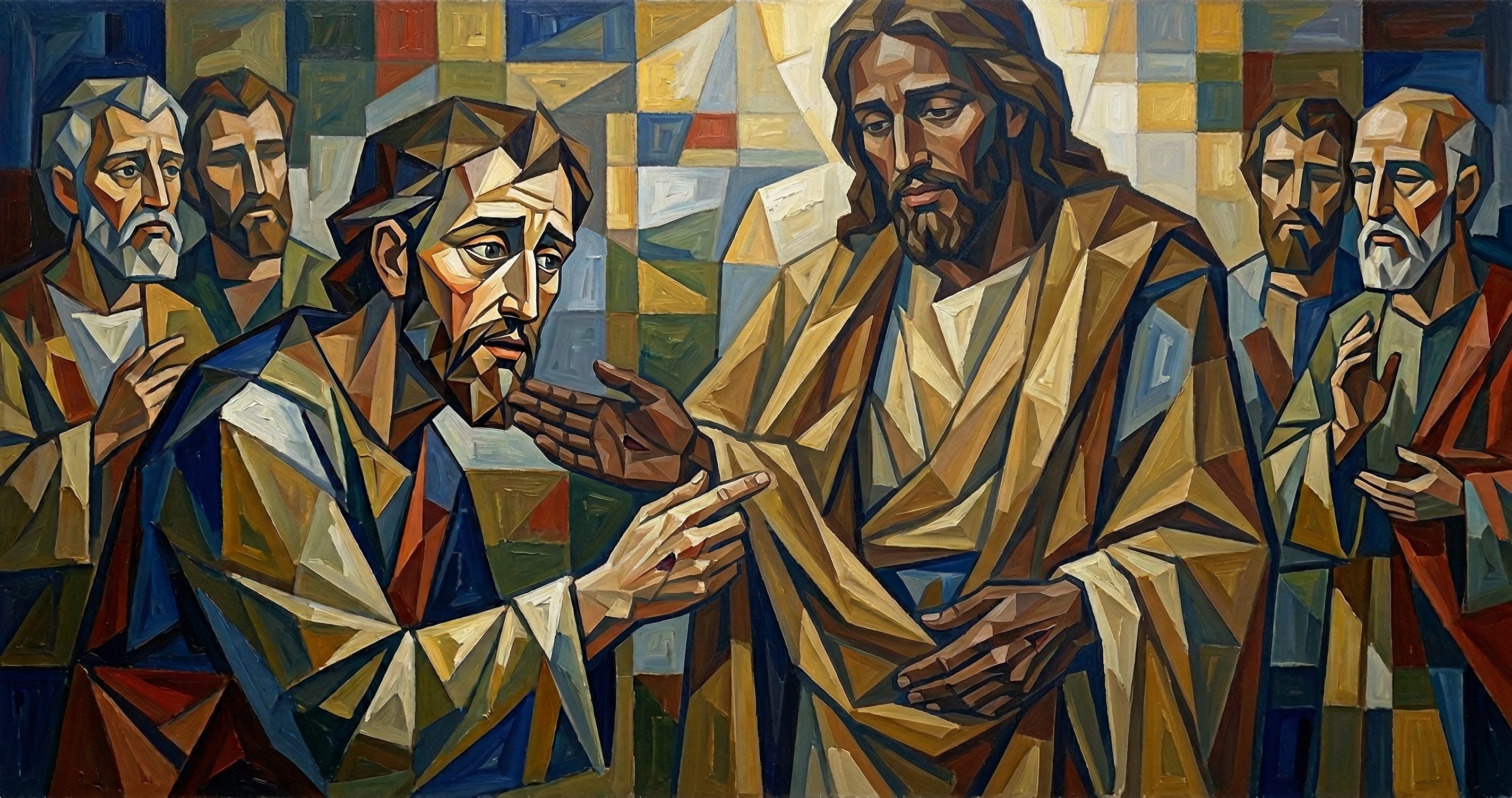
Today’s Gospel gives us Thomas, who missed the first appearance of the risen Christ and refused to take anyone’s word for it. The other disciples told him they had seen the Lord.
Thomas said no. He needed the wounds. He needed to put his fingers into the nail marks and his hand into the side of the one who had been killed.
We tend to treat Thomas as the cautionary tale — the disciple who doubted, who couldn’t believe without proof. But Thomas deserved better than that reputation.
Earlier in John’s Gospel, when Jesus decided to return to Judea where people wanted to kill him, Thomas said, “Let us also go, that we may die with him.” This is a man who volunteered to walk into death alongside Jesus before any promise of resurrection.
He refused to perform belief he did not yet possess — but that was not cowardice. It was the honesty of someone who had already proven his courage.
And here’s the most remarkable thing about it:
