
Why the Catholic Church Condemned Jan. 6
The pope and Catholic bishops across America raised a united moral alarm. They denounced the Jan. 6 insurrection as an assault on democracy and an affront to the Gospel’s call to peace and justice.
Thank you for reading! Letters from Leo is a reader-supported publication. If you find value in my work, please consider becoming a paid subscriber or making a one-time donation.
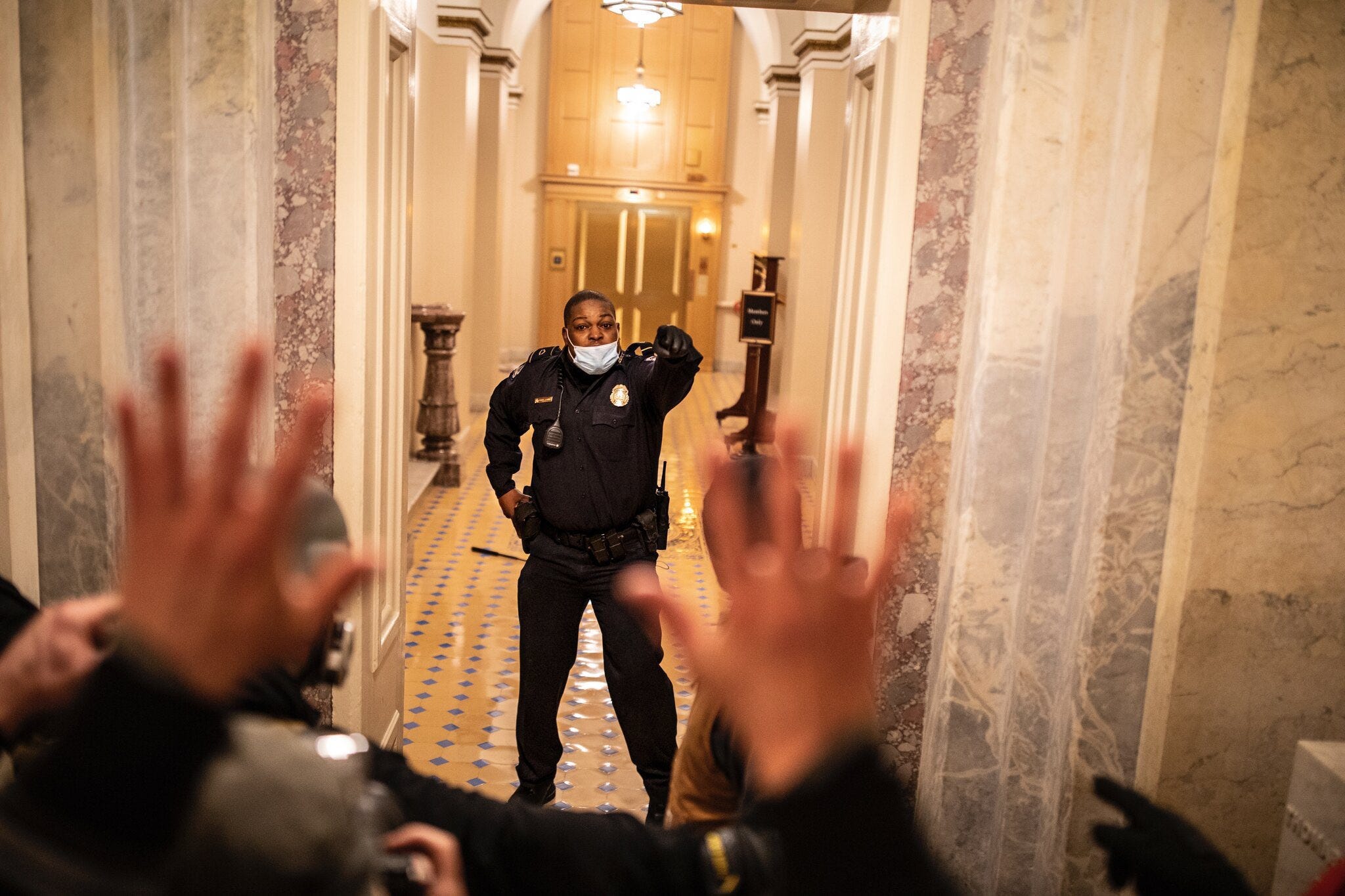
As violence engulfed Capitol Hill five years today, Catholic leaders immediately condemned what Los Angeles Archbishop José Gomez — then-president of the U.S. bishops — called the “shocking and unlawful” attack.
“I join people of good will in condemning the violence today at the United States Capitol. This is not who we are as Americans,” Gomez declared, urging a return to order and praying for those in harm’s way.
He reminded the nation that the peaceful transfer of power is a hallmark of American democracy and pleaded that we “come together as one nation under God,” guided in peace and true patriotism.
From coast to coast, bishops echoed that appeal. Archbishop William Lori of Baltimore prayed for “peace and for God’s protection over our country, our lawmakers, and all those in harm’s way.”
In Miami, Archbishop Thomas Wenski warned that the “shrill polemics” of our polarized era feed a fury that can eclipse justice and unity.
The message from the Church was unmistakable: political grievances must never explode into anarchy.
As now Washington Cardinal Robert McElroy observed, Jan. 6 showed the “terrible danger that leadership rooted in division” poses to a democratic society.
Or in the blunt words of Lexington Bishop John Stowe, “You reap what you sow” — a direct rebuke to the lies and rage that set the stage for the Capitol siege.
Naming the Cause: A Rebuke to Lies and Demagoguery
Unlike some politicians who downplayed the crisis, many Catholic voices went further — identifying exactly why this violence erupted.
Even San Francisco’s conservative Archbishop Salvatore Cordileone didn’t sugarcoat it, stressing that on top of a deadly pandemic and economic devastation, America “did not need to add an attempted civil war.”
Prominent theologians were even more explicit. Fr. Bryan Massingale wrote that “this is the only place that the presidency of Donald Trump could lead: a violent assault upon the nation’s democracy.”
The Catholic peace organization Pax Christi USA likewise blasted the “demagoguery of one man, President Trump, and the failure of all those who excused his hateful and divisive rhetoric” that led to the shameful events at the Capitol.
In short, Catholic leaders condemned not only the symptom of violence but the cause: a toxic brew of falsehood and idolatry of power that had been brewing for years under Trump’s first presidency.
This was not the first time the late Pope Francis had confronted the forces behind such chaos. Throughout Mr. Trump’s term, Francis had repeatedly challenged President Trump’s political hatreds and lies.
His stance earned him scorn from certain MAGA circles, but Francis did not waver in teaching that fidelity to the Gospel means upholding truth and the common good — even in politics.
Little wonder, then, that by week’s end the pope spoke out forcefully on the Capitol riots. In a Sunday address from Rome, Francis lamented that “nothing is gained by violence and so much is lost.”
He urged the U.S. to “calm things down, promote national reconciliation and protect democratic values” at this perilous moment. And he offered prayers for those who died amid the mayhem, urging Americans to “keep alive a culture of encounter, a culture of caring, as the way to build the common good.”
Amid the nearly unanimous Catholic outcry, one unique note came from within the hierarchy itself. Bishop Robert Barron — one of the nation’s most famous bishops — delivered a video message on Jan. 6 that, at first blush, sounded appropriately outraged.
He condemned the “violent riotous mobs inside the U.S. Capitol” and expressed how seeing people invade that “civilly sacred space” was “so disturbing and… unnerving. This has got to stop,” Barron said, speaking “as an American” and “as a Catholic bishop.”
Yet conspicuously absent from his remarks was any mention of what – or who – precipitated the violence. Barron treated the event as an isolated outburst, making a vague plea to end “violence across the ideological spectrum.”
In failing to name the insurrection for what it was — an attack fueled by President Trump’s lies — Barron’s response rang hollow to many of his followers.
His tepid approach stood in stark contrast to the pope and dozens of other bishops who squarely identified the moral stakes.
In condemning the January 6th attack, the Catholic Church was doing more than reacting to one day’s chaos.
It was reasserting fundamental values long championed in Catholic social teaching: peace, truth, justice, and the inherent dignity of democratic governance.
When then President-Elect Joe Biden — who would serve as the second Catholic president in American history — addressed the nation that afternoon, he reminded Americans that “to storm the Capitol is not protest; it is insurrection.”
The Church’s leaders effectively said the same — making clear that such lawless tyranny has no place in a nation “under God.”
Pope Francis and the bishops stood shoulder to shoulder in urging that we choose unity over division and fact over fraud. Their witness on Jan. 6 matters not only in hindsight, but for the road ahead.
Even now, five years later, the temptations that led to the Capitol riot have not vanished. In some quarters, angry populism and election denial still fester, threatening the fabric of U.S. democracy. That is why the Church must continue to speak with courage. The Gospel demands that Catholics be peacemakers and truth-tellers, especially in times of civic turmoil.
January 6, 2021, will be remembered as a day of infamy — but also as a day when the Catholic Church in America largely found its voice.
From Pope Francis in Rome to parish priests on the ground, the refrain was the same: This is not who we are called to be. We are called to something better. In the face of any future tyranny against democratic rule, that conviction must endure.
As Pope Leo XIV has shown time and again in his first year, to love Christ is to love the truth — and to defend the common good from tyrants who would tear it apart.
Letters from Leo is open to anyone who wants to be informed and inspired by our pope — and to turn that inspiration into action that leaves America and the world more just, less cold, and more alive with hope.
If you’d like to invest in our mission during this new year, here are three ways you can help:
Subscribe as a paid member to receive exclusive posts about the life and formation of Pope Leo and help sustain this newsletter.
Donate with a one-time gift to fuel this project’s mission.
Share this post (and Letters from Leo) with a friend who might enjoy it.
Whether you give $0, $1, or $1,000, your presence here matters — no matter your faith or your politics.
Thank you for reading. I’ll see you on the road.


and today the WH put out a whole web site to try to rewrite history about this day as peaceful protests, antagonism to the protestors by police which caused violence, the removal of barriers and opening of doors by police to let them in, repeated claims that the election was stolen and a cowardly Pence. How's that for being a denier on official letterhead? they think all those photos and videos have been redacted like they've tried to do to the Epstein files?
My question remains…where were the bishops during the campaigning in 2024? They hid behind one narrow definition of pro-life. At that time, treatment of those fleeing their countries did not receive the commentary from the Catholic Church that it is receiving now.