


Thank you for reading! Letters from Leo is a reader-supported publication. To receive new posts and support the mission, consider becoming a free or paid subscriber.
One week from today, in the Vatican’s Synod Hall, Pope Leo XIV will unveil Magnifica Humanitas — magnificent humanity — the first papal encyclical on artificial intelligence in the history of the Church.
The pope signed the document on May 15, the 135th anniversary of Rerum Novarum, Leo XIII’s foundational encyclical on labor and capital at the dawn of the first industrial revolution. The dating is a thesis statement in itself.
The release date is Memorial Day. I keep joking that the pope is determined to put American Catholic commentators to work on every US holiday as punishment for our bad takes.
He spent Thanksgiving Day on the papal plane to Turkey, accepting pumpkin pies from American journalists on the way. He has now picked Memorial Day for the most consequential document of his papacy.
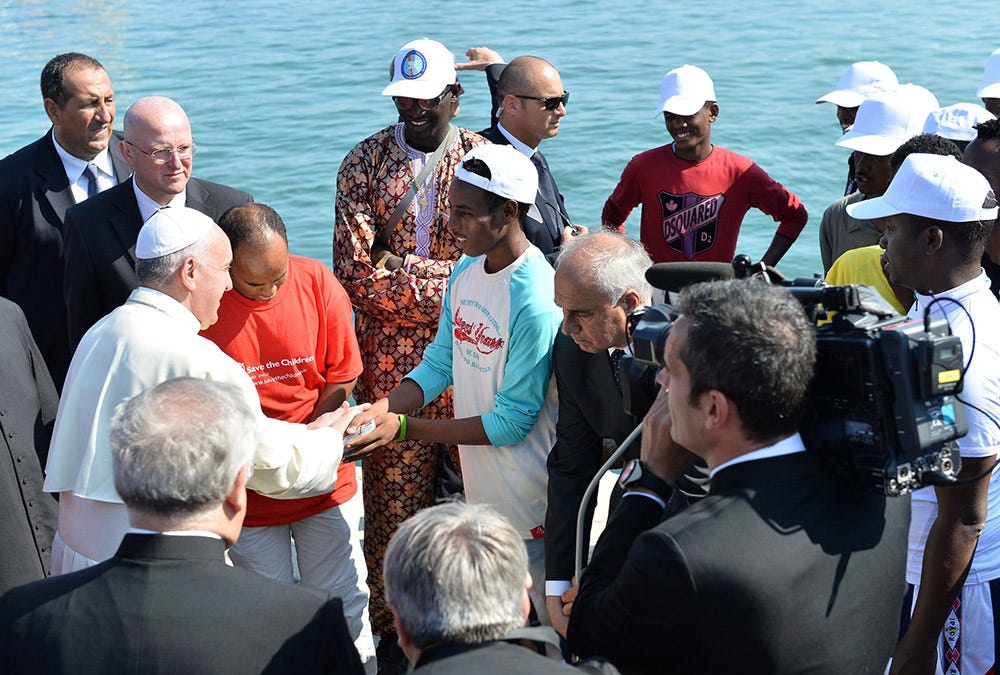
And on July 4 — the day America turns 250 — the pope will be on Lampedusa rather than anywhere on this side of the Atlantic. The Vatican has gently let it be known that he is not planning to visit the United States this year.
It is the kind of calendar that would keep a less stubborn commentariat at the cookout. We are not that commentariat.
Now to the substance.
The Two Details the Wire Copy Will Miss
The Holy See released the press conference rollout this morning, and a careful reader should notice two things.
Start with who shows up. Pope Leo himself will be in the room. That isn’t standard. Encyclicals normally get presented by curial cardinals or by the prefect of the relevant dicastery, with the pope usually absent completely. He is rarely, if ever, present in person.
The pope’s choice to take the podium on Memorial Day — and to introduce the document and provide his own commentary on it — means he plans to tell the world personally what this text is for. He won’t let the press take first crack at interpreting it. And he won’t let partisan forces in the United States, on either side of our politics, hijack the message before the ink is dry.
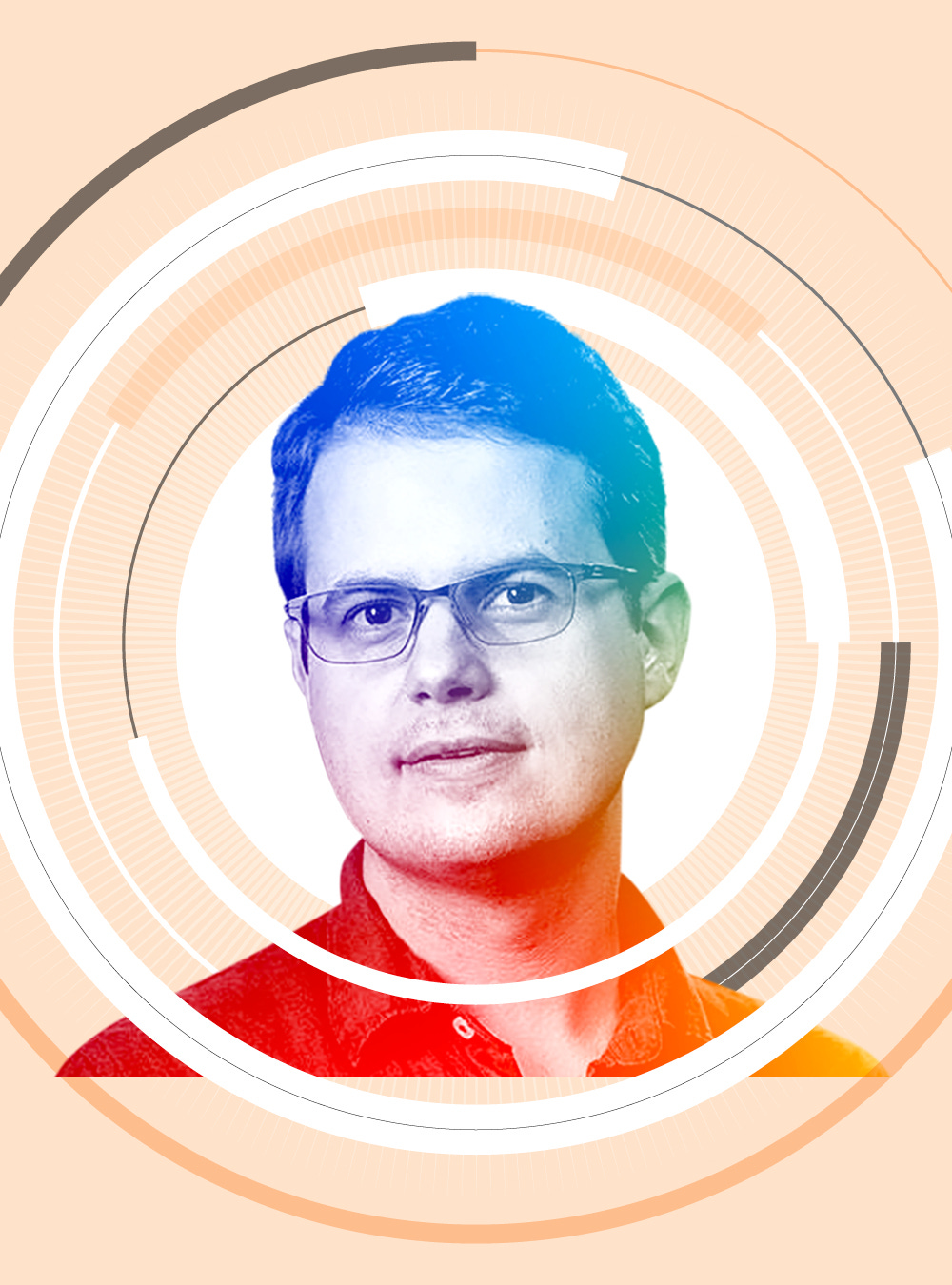
Then look at who is standing next to him. Christopher Olah, the Anthropic co-founder known across the AI world for his pioneering work on neural-network interpretability, will be sharing the day with Pope Leo XIV and speaking at the event when the document is announced.
Most people outside the inner workings of the Vatican don’t realize how unusual this choice is. In February, Anthropic refused to grant the Pentagon unrestricted access to its models. The Trump administration responded by directing federal agencies to stop using the company’s products and designating Anthropic a supply chain risk — the first American firm to wear that label, a category historically reserved for foreign adversaries.
The company, by any practical measure, is on the wrong side of the Trump White House right now because of this situation. Pope Leo XIV has chosen them as his partner anyway — not in defiance of the Trump administration, but to show that there are willing partners in Silicon Valley ready to work with the Church for the good of humanity.
A Question Christian Ethicists Are Already Asking
A third detail the wires won’t catch: in April, the Washington Post reported that Anthropic itself had quietly hosted about fifteen Catholic and Protestant leaders at a two-day summit at its San Francisco headquarters, asking among other things whether Claude could be understood as a child of God.
The question sounds like seminar fodder. It is, in fact, the central question of the next hundred years. The Church’s answer is unequivocal.
No matter how sophisticated the system becomes, a synthetic mind will never be a human being, and it will never carry the dignity of the human person. The human person retains supremacy in God’s eyes over every artifact we have built, including the most powerful ones.
Through my own reporting, I can tell the reader the pope has insisted on one thing above everything else. This encyclical cannot be overly theoretical. It has to be relevant to the people building this technology and to the people using it every day.
The document is not allowed to drift in the cloud as a beautiful abstraction, gathering dust on a Vatican shelf with the rest of the magisterial commentary nobody reads. It has to be meaningful to the people building this technology and to the people working on the guardrails surrounding it.
He wants a tool the builders can pick up the morning after publication and put to work that same afternoon.
What the Encyclical Will Actually Argue
Last week’s Letters from Leo essay on Rerum Novarum sketched the template — Leo XIII’s 1891 document that did for the labor question what the new encyclical proposes to do for the AI question. The themes carry over: labor displacement, the surveillance economy, the children’s algorithms, and the unresolved problem of whether autonomous weapons can ever be reconciled with just war doctrine.
Every one of those issues will be on the page. Here’s what we expect.
