

“God Cannot Be Enlisted in Darkness” — Pope Leo XIV Demands Ceasefire in Iran
Days after Pete Hegseth said the U.S. war in Iran is protected by God, Pope Leo XIV denounced those who “involve the name of God in choices of death.”

Dear friends —
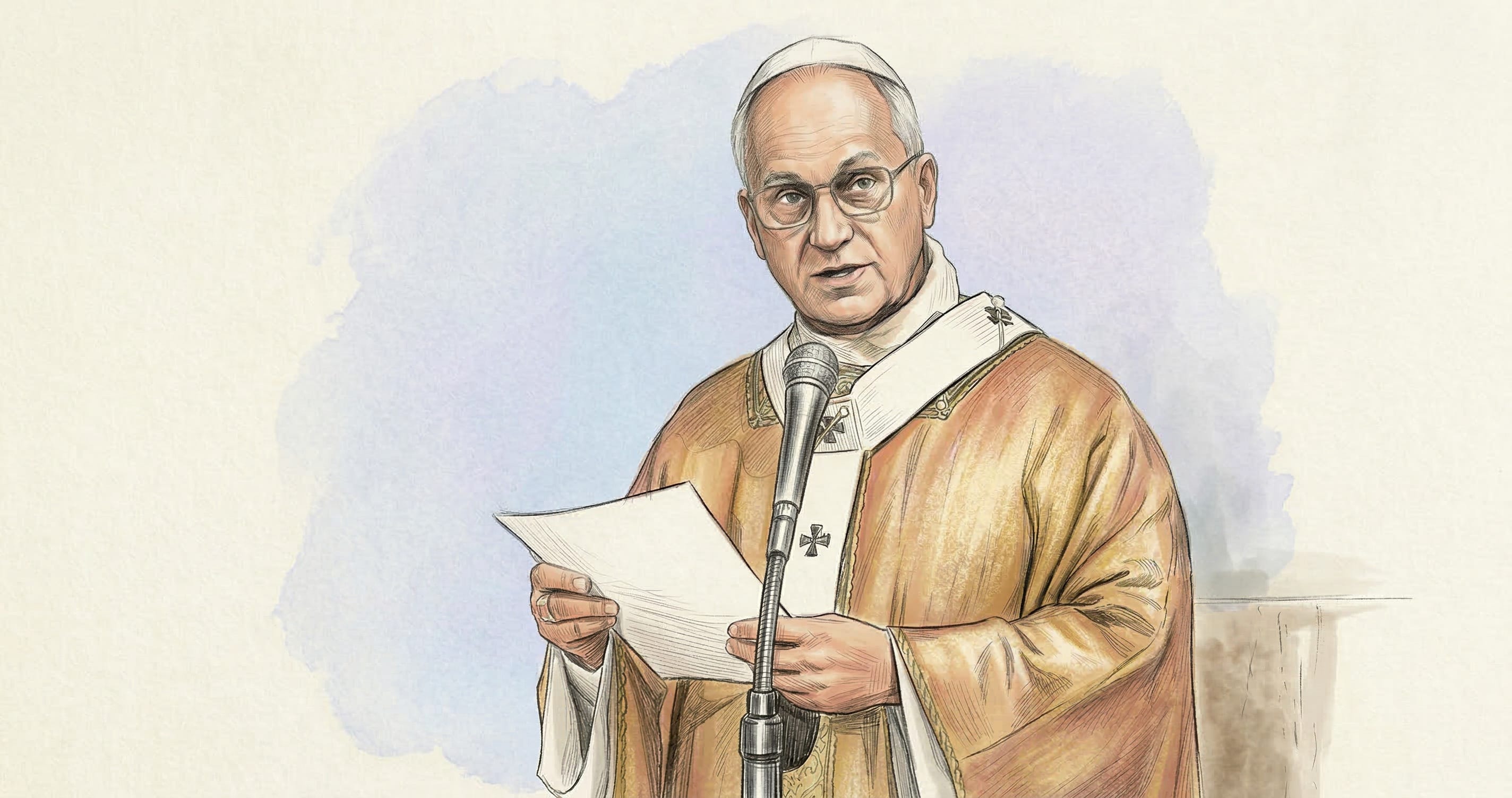
On a single Sunday in March, Pope Leo XIV used every platform available to him — the Angelus, a parish homily, and the weight of his moral office — to demand an end to the war in Iran.
Today’s essay covers the full sweep of the pope’s remarks, from his ceasefire demand at the Angelus to his words at a working-class Roman parish hours later.
Thanks to your support, Letters from Leo can contextualize and deliver the pope’s words to an English-speaking audience within hours of their delivery.
We’re the only outlet in the world with the depth to connect Pope Leo XIV’s moral vision to the shifting ground of American politics every single day— because I’ve spent the past fifteen years deeply embedded in both the life of the Catholic Church and the machinery of U.S. political power.
If you’re already a paid subscriber, thank you. If not, I invite you to join us. And as always: if you need help with your subscription, just reply to this email.
On Sunday morning, from the window of the Apostolic Apartment overlooking St. Peter’s Square, Pope Leo XIV delivered his most forceful condemnation of the Iran war since the bombing began two weeks ago.
“For two weeks, the peoples of the Middle East have been suffering the atrocious violence of war,” the pope told the crowds gathered for the Angelus. Then he turned directly to the leaders responsible for the conflict: “Cease fire so that avenues for dialogue may be reopened.”
The words landed with the force of a verdict. For the first two weeks of the U.S.-Israeli campaign against Iran, history’s first American pope had measured his public statements carefully — appealing for diplomacy and dialogue without naming the United States or Israel directly, consistent with Vatican diplomatic tradition.
Today was different.
Leo spoke of the attacks “which have hit schools, hospitals, and residential centers.”
He expressed closeness to the families of those killed. Iranian authorities and the Red Crescent estimate between 1,230 and 1,300 civilians have been killed since February 28, though the figures have not been independently verified.
Among the deadliest incidents was a missile strike on a girls’ elementary school in Minab on the war’s opening day, killing between 168 and 180 people, most of them children.
“Violence can never lead to the justice, the stability, and the peace that people are awaiting,” Leo said.
He also expressed grave concern for Lebanon, where Israeli air strikes have killed more than 800 people and displaced over 800,000 from their homes. Drones struck targets across Saudi Arabia, Dubai, Qatar, and Kuwait on Sunday. The U.S. Embassy in Baghdad urged American citizens to leave Iraq immediately after a missile hit the compound on Saturday.
The war is metastasizing across the Middle East. The pope sees it.
From the Vatican to a Working-Class Parish
Hours after the Angelus, Leo traveled to the Sacred Heart of Jesus Parish at Ponte Mammolo in northern Rome — the fifth and final stop in a series of Lenten parish visits across the five pastoral sectors of his diocese.
Before Mass, Leo met privately with elderly residents and people with disabilities. He spoke with homeless individuals who use the parish’s support services. He sat with children from the oratory and with families — Peruvian, Ukrainian, Italian — who have made this parish on Rome’s periphery a genuine community of welcome.
The Gospel for Laetare Sunday was the account of Jesus healing the man born blind from John 9.
Leo preached on spiritual blindness, on the refusal to see suffering when it demands something of us. “We must overcome the prejudices of those who, faced with a suffering person, only see an outcast to be despised, or a problem to be avoided,” he said, “locking themselves in the fortified tower of selfish individualism.”
“In the world, many of our brothers and sisters suffer because of violent conflicts,” Leo said, “provoked by the absurd claim of resolving problems and differences with war, while it is necessary to dialogue tirelessly for peace.”
“Someone, then, presumes to involve the name of God in these choices of death,” he continued, “but God cannot be enlisted by the darkness. He comes, rather, always, to bestow light, hope, and peace upon humanity, and it is peace that those who invoke him must seek.”
The contrast with Washington could not be sharper. Look at what’s happening.
