


Dear friends,
The son who comes out of today’s Gospel looking good is the one who told his father, to his face, that he wasn’t going.
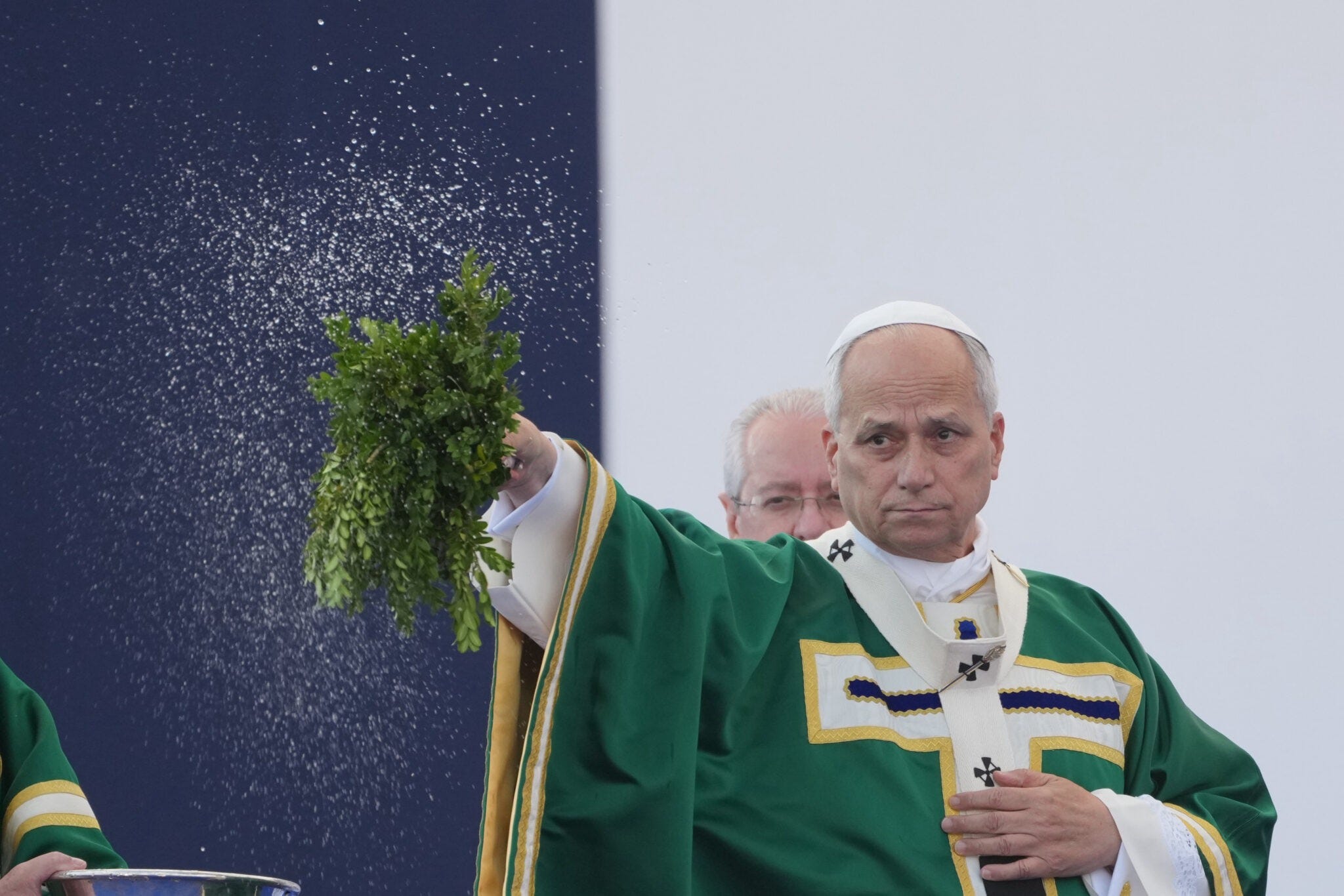
Pope Leo XIV preached on these readings this morning at Lourdes, a town whose own parish priest started out as a flat no on Bernadette’s story, and I don’t think the timing is an accident.
Today we’ll look at why God seems to prefer an honest doubt to a pious act, and how a hard no can turn, slowly, into a yes.
These Scripture reflections are available exclusively to paid subscribers. If my work means something to you, I’m asking for your help.
If you’d like to invest in our mission during this critical time, here are three ways you can help:
Subscribe as a paid member to receive exclusive posts about the life and formation of Pope Leo and help sustain this newsletter.
Donate with a one-time gift to fuel this project’s mission.
Share this post (and Letters from Leo) with a friend who might enjoy it.
Whether you give $0, $5, $50, $500, $1,000, or more, your presence here matters — no matter your faith or your politics.
Thank you for reading. I’ll see you on the road.

“He said in reply, ‘I will not,’ but afterwards changed his mind and went.” — Matthew 21:29
By the time we reach today’s Gospel, Jesus has ridden into Jerusalem on a donkey, turned over the money changers’ tables, spent the night out in Bethany, and walked back into the temple the next morning to find the chief priests waiting for him with a question about his credentials. He answers them with a story about a vineyard.
A man has two sons. He asks the first to go work in the vineyard today, and the boy says no. Later he “changed his mind and went.” The second son says yes (very politely) and never goes.
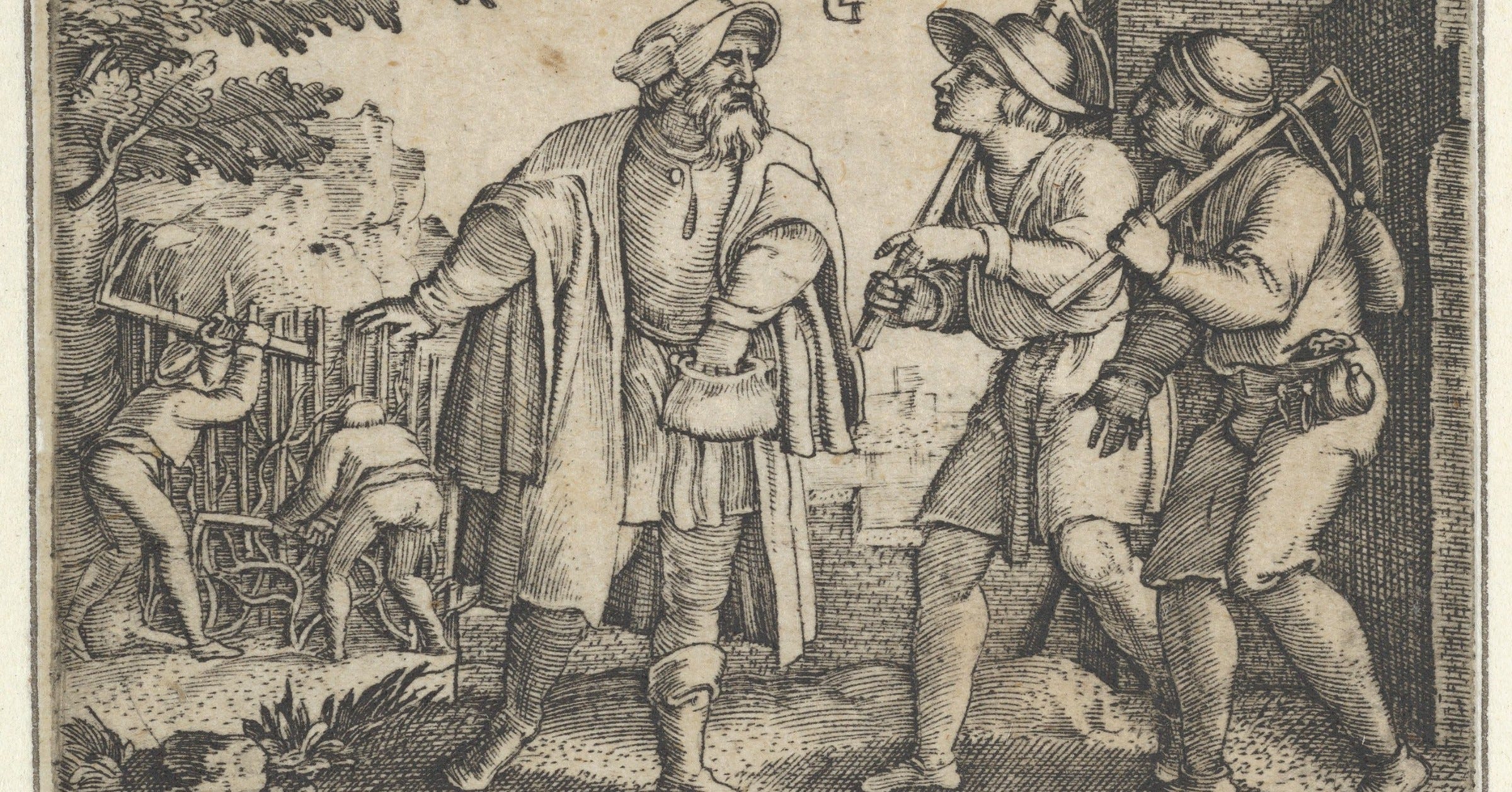
I grew up Catholic in Tennessee, where “yes, sir” was about the first thing a boy learned to say to a grown man, whether he intended to do the thing or not. So I recognize the second son. Matthew gives him two words in Greek, egō, kyrie, roughly “I will, sir,” and kyrie happens to be the same word the disciples use when they talk to Jesus. The kid has the vocabulary of devotion down pat. His brother just says ou thelō. I don’t want to.
Jesus asks the chief priests which son did what his father wanted, they give the obvious answer, and he tells them the tax collectors and prostitutes are going into the kingdom of God ahead of them. (Last Sunday it was the men hired at five o’clock who got paid first; Matthew has a habit of shuffling the line.)
What I keep returning to is the verb for the first son’s turn. Metamelētheis names a nagging second thought, the kind that follows you around the house until you give up and go find your work boots.
Matthew adds hysteron, “later,” and declines to say how much later. An hour? The whole afternoon? We aren’t told, and the father, for his part, doesn’t seem to care.
Pope Francis put it plainly in Evangelii Gaudium, the first major document of his pontificate: “A small step, in the midst of great human limitations, can be more pleasing to God than a life which appears outwardly in order but moves through the day without confronting great difficulties.”
