


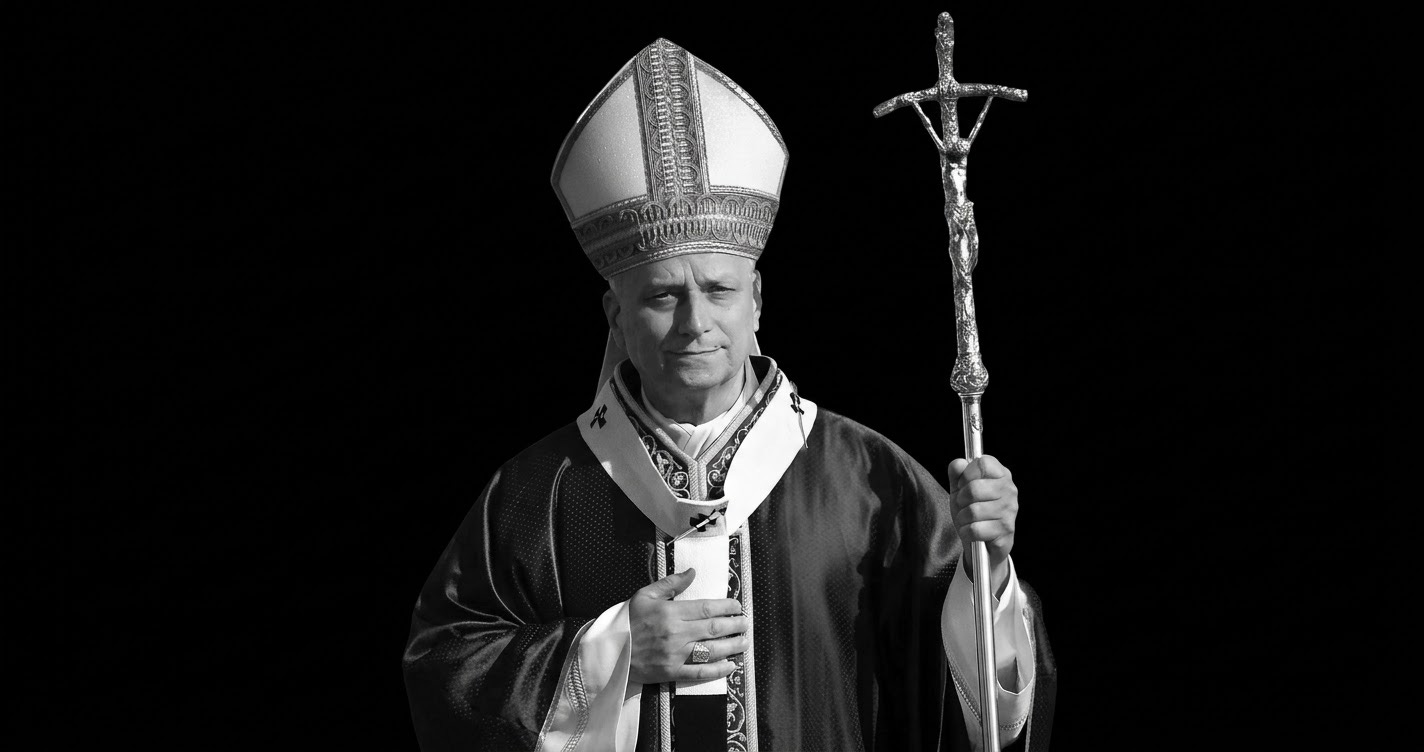
On Tuesday afternoon, Pope Leo XIV paused on his way out of Villa Barberini in Castel Gandolfo to address a group of journalists. His message took less than a minute: “I wish to renew the appeal for a ceasefire, to work for peace, but not with weapons — with dialogue, truly seeking a solution for everyone.”
It was at least the twelfth time in twenty-five days that the pope and the Vatican had publicly called for an end to the Iran war.
Since February 28 — the night the United States and Israel launched coordinated strikes on Iran, killing Supreme Leader Ayatollah Ali Khamenei and scores of senior officials — Leo has used every platform available to him — Angelus addresses, papal audiences, homilies at Roman parishes, a monthly prayer video, remarks to airline executives and military chaplains, and messages channeled through his Secretary of State and the Latin Patriarch of Jerusalem.
“Hatred is increasing,” he said today, “and the violence is getting worse and worse. More than a million people are displaced, and there are so many dead.”
The White House has treated each appeal as an annoyance. President Trump told EWTN on March 20 that he has no interest in papal peace counsel. Asked two days later about Leo’s latest remarks, Trump was blunt: “I don’t want a ceasefire.”
Leo has continued anyway. No modern pope has sustained a public campaign of this scope and duration against an active American military operation. John Paul II opposed the 2003 Iraq invasion, but his major interventions came primarily before the war began. Benedict XVI spoke of peace in more general terms.
Francis condemned the arms trade and warned of a “piecemeal Third World War,” but he never directed a sustained, weeks-long series of appeals at the architects of an ongoing American conflict.
The American pope — born in Chicago, raised in the Catholic tradition that formed Dorothy Day and Thomas Merton — is waging a daily moral confrontation with his own country’s war machine.
He told Christian leaders responsible for the fighting to go to confession. The violence, he declared, constitutes a scandal before God and humanity alike. Yesterday, standing before a room full of Italian airline executives, he called for the permanent abolition of aerial bombing.
Below, for paid subscribers, I have assembled a day-by-day record of every public intervention Pope Leo XIV has made since the war began.
Taken together, they form something close to a papal war diary — a sustained moral witness against an American military operation that no other world leader has attempted.
At Letters from Leo, we have covered every one of these interventions as they happened — tracking in real time a pope’s moral confrontation with war.
This is the work that paid subscribers make possible: sustained, thorough, independent coverage of a pontificate reshaping the relationship between the Church and American politics, written for Catholics and people of goodwill who refuse to accept that violence is the final word.
If this record matters to you — if you believe that someone should be documenting this campaign with the seriousness it deserves — I am asking you to join us.
If you’d like to invest in our mission, here are three ways you can help this Lenten season:
Subscribe as a paid member to receive exclusive posts about the life and formation of Pope Leo and help sustain this newsletter.
Donate with a one-time gift to fuel this project’s mission.
Share this post (and Letters from Leo) with a friend who might enjoy it.
Paid subscribers also get access to the full Pope Leo’s Life & Formation biographical series, the Lenten Reflection Series, and our ongoing investigations — including the Epstein-Bannon Investigation.
Whether you give $0, $1, or $1,000, your presence here matters — no matter your faith or your politics.
Thank you for reading. Let’s get started.

