


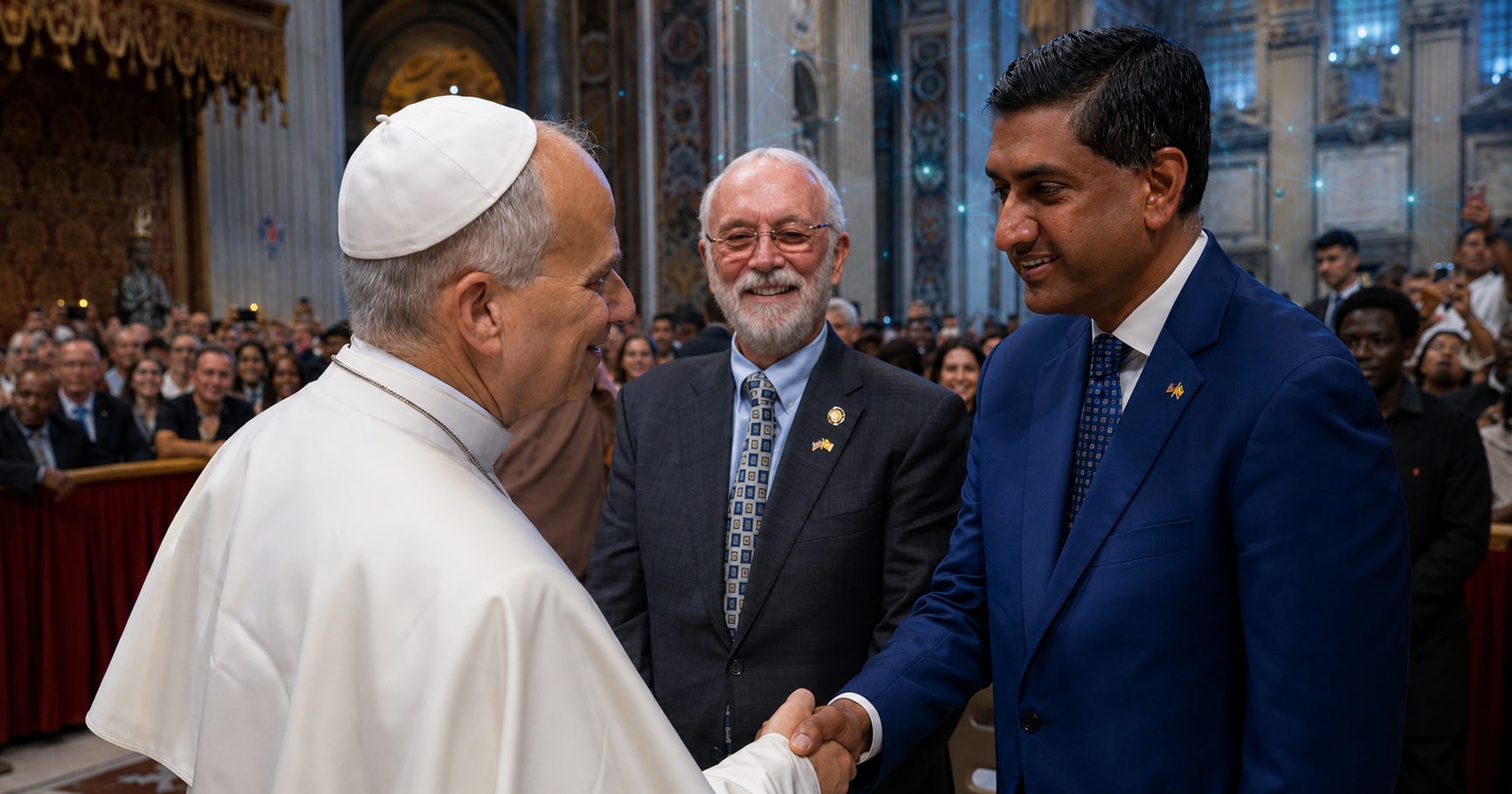
Pope Leo XIV received the International Catholic Legislators Network in the Vatican on Friday morning and told the lawmakers exactly what artificial intelligence requires of their profession: “robust legal frameworks, independent oversight, informed users and a political system that does not abdicate its responsibility.”
Pope Leo XIV’s simple claim here is that AI can never rival humanity and that politicians and government leaders are responsible for governing artificial intelligence. They cannot outsource that role to the market or to the algorithm itself.
Leo gave them the choice in biblical terms. “We may be tempted to construct a new Tower of Babel, where power, efficiency and control obscure the face of the human person,” he said, “or we can build a civilization in which technology serves the integral development of every person.”
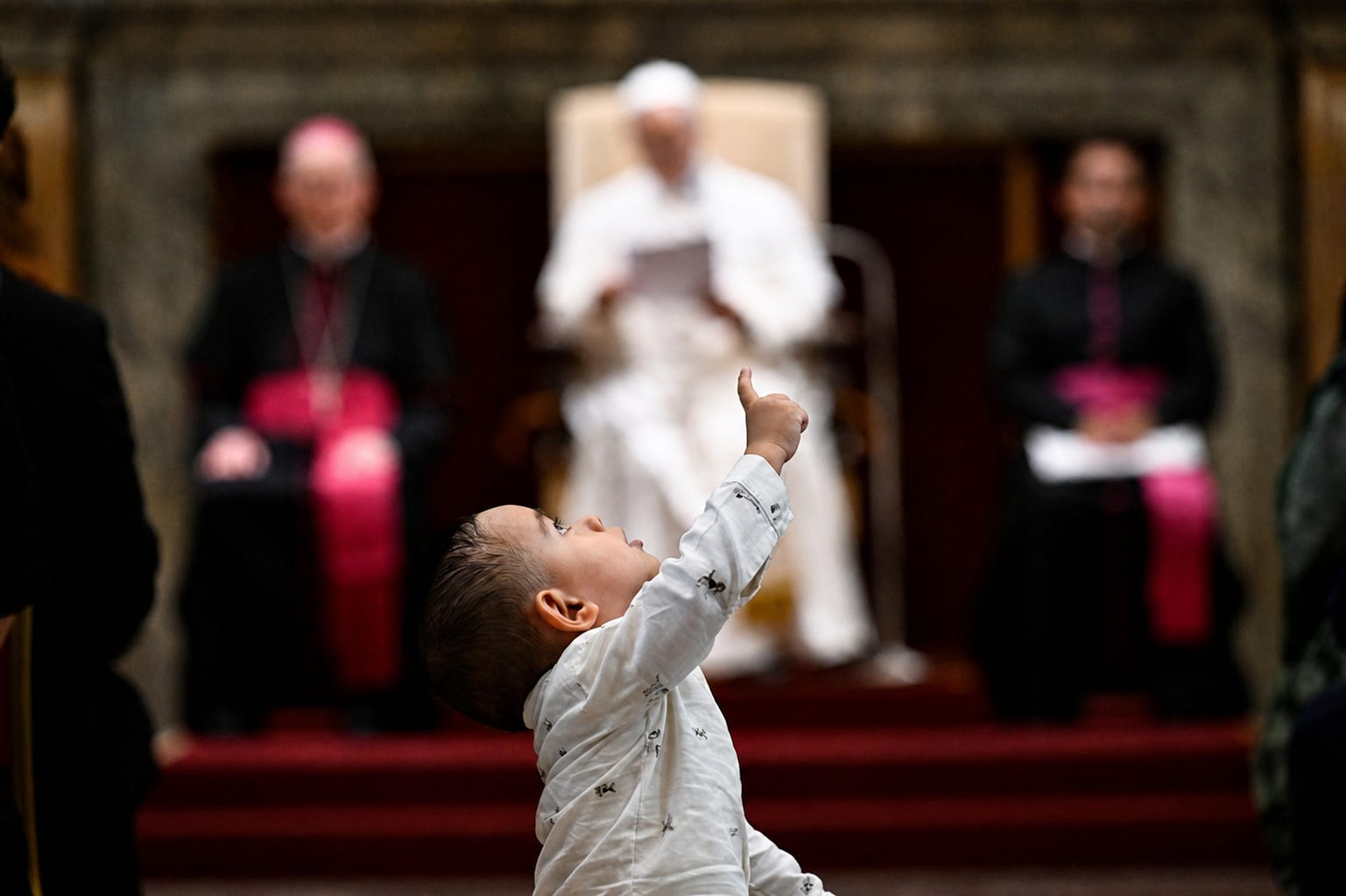
Their task is “not to hinder innovation but to guide it wisely.” The world, Leo said in closing, “does not need an artificial intelligence that diminishes humanity; rather, it needs human intelligence enlightened by wisdom, political authority guided by conscience and technological innovation directed by charity.”
Ro Khanna heard that argument in Rome last week. Then the California Democrat went on Fox Business and told a business-news audience to read a papal encyclical.
“Of any leader in the world, he has the most comprehensive, thoughtful policy, an encyclical called Magnifica Humanitas,” Khanna said. “There’s one thing I would recommend is people should read it.”
Ro Khanna’s continued willingness to engage with the Catholic Church on these critical issues is remarkable in two ways. First off, he is Silicon Valley’s representative in the United States Congress. Second of all, he isn’t Catholic, but he shares in the conviction that the Catholic Church is a major player in the world we live in.
That conviction has consequences at home. On August 6, Khanna introduced a Data Center Bill of Rights. It says a community has the power to reject a project outright and deserves an independent impact study before anything is approved. “Families should not face higher electricity bills, depleted water supplies, or increased pollution from data centers in their communities,” he said.
The public largely backs Khanna’s claims. Opposition to data centers is bipartisan. In May, Embold Research found that 71% of Americans oppose the construction of a data center near their home. Over the summer, the Annenberg Public Policy Center broke down similar numbers even further, finding that 69% of Democrats, 54% of Republicans, and 53% of independents also oppose data center construction in their communities.
I strongly believe that the uprising against AI data centers runs deeper than the buildings themselves. Many of you know that my background is in Democratic politics. In that arena, I get access to non-public polls every week.
Without disclosing proprietary information and breaking non-disclosure agreements, here’s what I can tell you:
