


Thank you for reading! Letters from Leo is a reader-supported publication. To receive new posts and support the mission, consider becoming a free or paid subscriber.
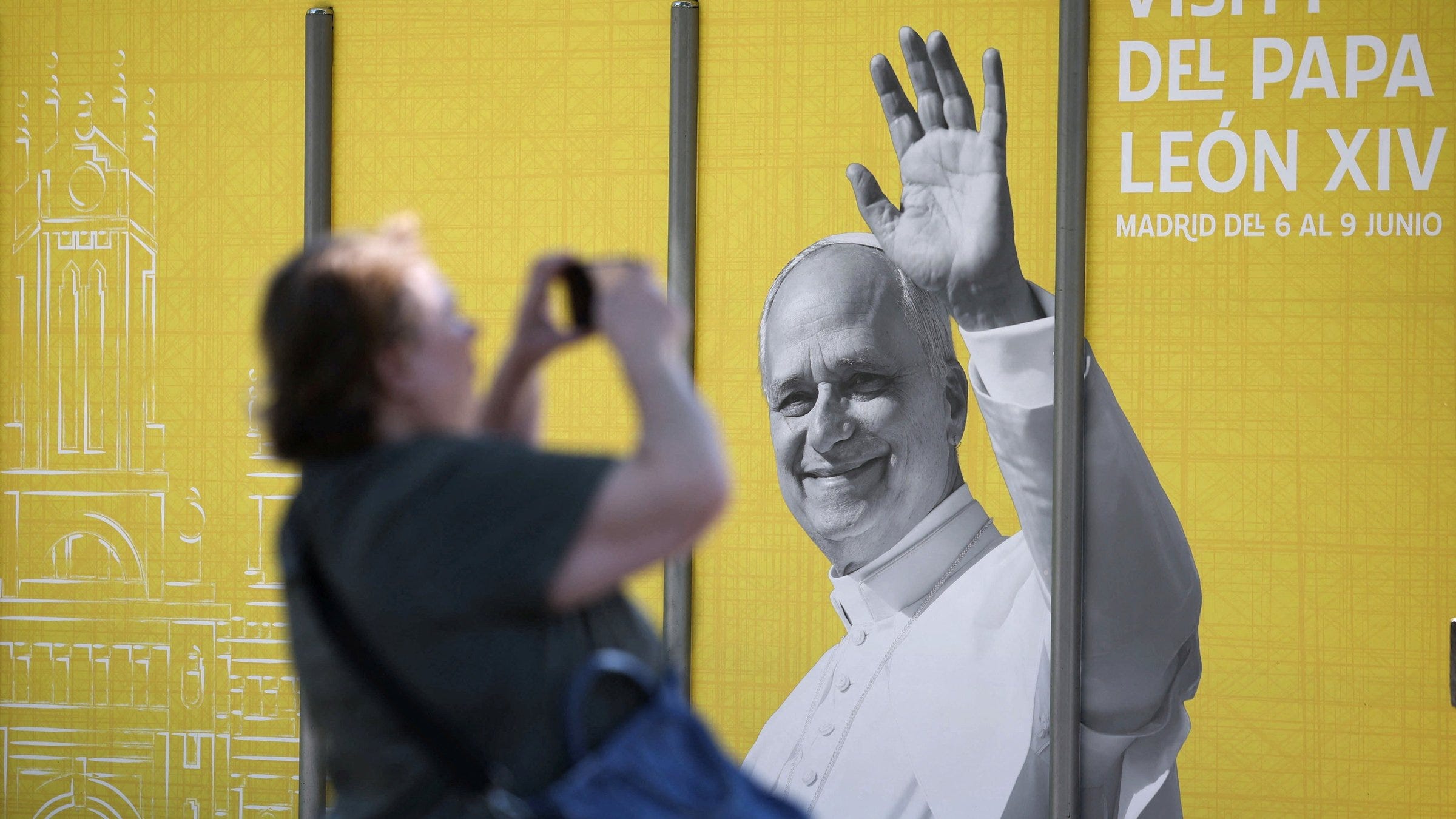
The Vatican confirmed on Friday that Pope Leo XIV will meet privately with victims of clergy sexual abuse during his weeklong pilgrimage to Spain, which begins Saturday and runs through June 12.
The encounter was organized by the Spanish Church, and the Vatican says details will be released only after it concludes — a standard practice meant to protect the privacy of the survivors in the room. The meeting does not yet appear on the trip’s official program.
According to the Associated Press, Spain’s government and its bishops’ conference approved a new reparations program for abuse survivors in the months before the visit — an answer, years in the making, to the 2023 report from Spain’s human rights ombudsman that estimated hundreds of thousands of victims of clergy abuse across decades.
Leo has made three earlier trips outside Italy, and he is not known to have met with survivors on any of them.
The itinerary runs from Madrid to the monastery of Montserrat to Barcelona, where Leo will inaugurate the newest tower of the Sagrada Família, before ending in the Canary Islands among migrants who survived the Atlantic crossing.
The trip — Leo’s first major European pilgrimage — comes four months after the Spanish daily El País reported that the pope had told Spain’s bishops that far-right ideology is the country’s biggest threat.
The bishops’ conference afterward contested that report, saying the pope had spoken about the risks of subjecting faith to ideologies without naming any group.
Spain is also the country where the Church’s newest abuse reckoning was born. Josemaría Escrivá founded Opus Dei in Madrid in 1928, and the movement grew from a Spanish student apostolate into a global power with banks, universities, and — according to the British investigative journalist Gareth Gore — a decades-long pipeline of underage girls recruited from poor families to cook and clean without pay as so-called numerary assistants.
Gore’s 2024 book Opus documents women who were cut off from their families, moved across borders, and — according to interviews Gore conducted — treated with sedatives and antidepressants. Argentine prosecutors, after a two-year investigation built on the testimony of 43 women, found grounds to bring charges against senior Opus Dei figures for human trafficking and labor exploitation.
Readers of Letters from Leo know what came next.
