


Thank you for reading! Letters from Leo is a reader-supported publication and the fastest-growing Catholic community in the country. To receive new posts and support this movement, consider becoming a free or paid subscriber.
I spent two weeks in Rome and throughout Italy earlier this month, my longest stay since attending the funeral of Pope Francis and the conclave that elected Pope Leo XIV.
I filed stories during the day, but with a heat index surging over 100 degrees, the conversations that mattered the most often started after dark, in Curia offices, in church sanctuaries, and at trattoria tables, where I drank more espresso than any human ever ought to.
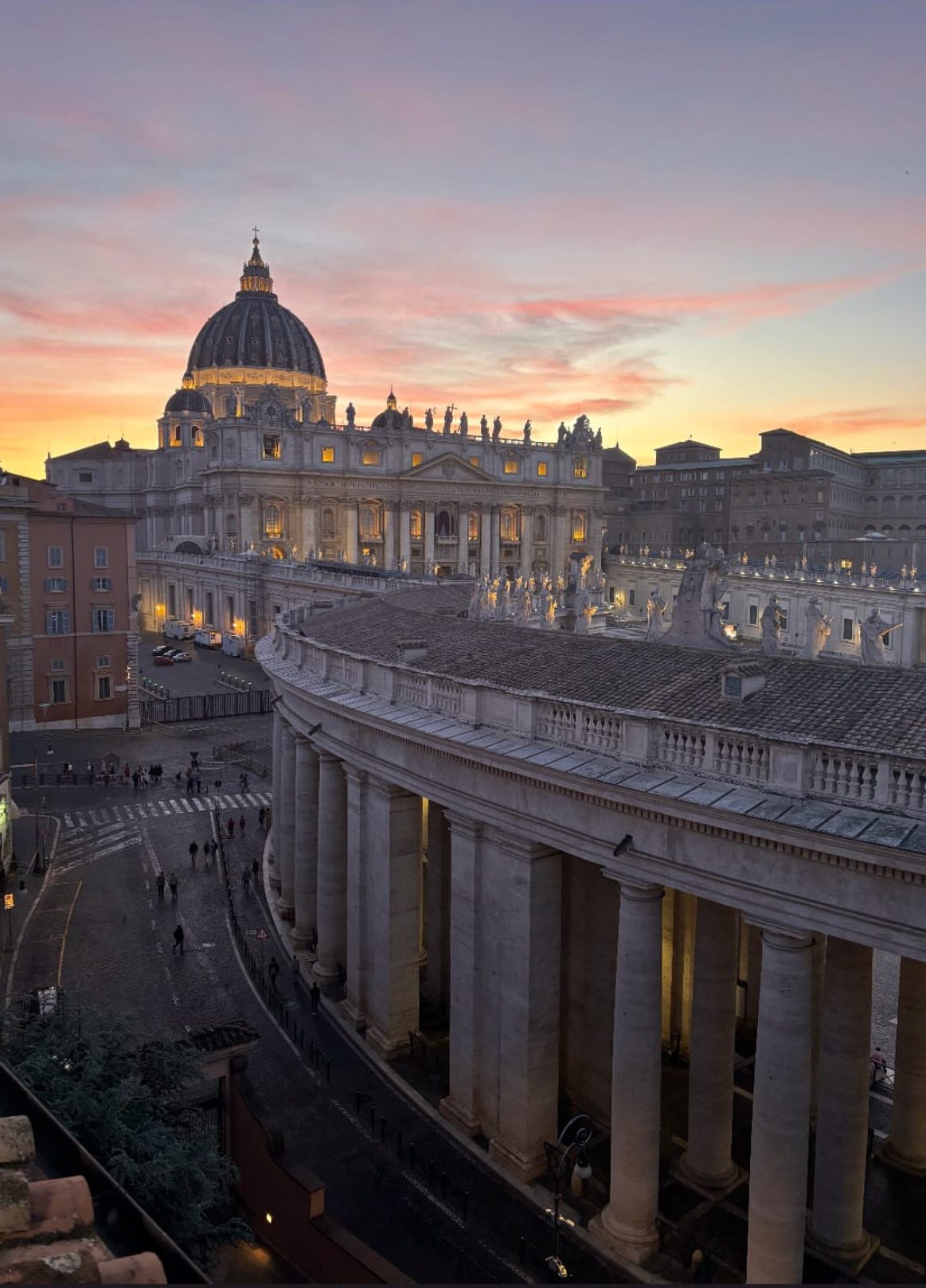
Fourteen months into this pontificate, the people closest to Pope Leo XIV are still working out who he is and where he’s taking us. Here are five lessons Rome taught me about the first U.S.-born pope — and the one thing the city asked of the rest of us to help him in his mission.
1. We are still getting to know him
The correspondents who cover Leo for a living describe him as an open question. His pre-conclave record offers them little help, and the people who tried hardest to mine that record now own one of the more embarrassing stories in Rome.
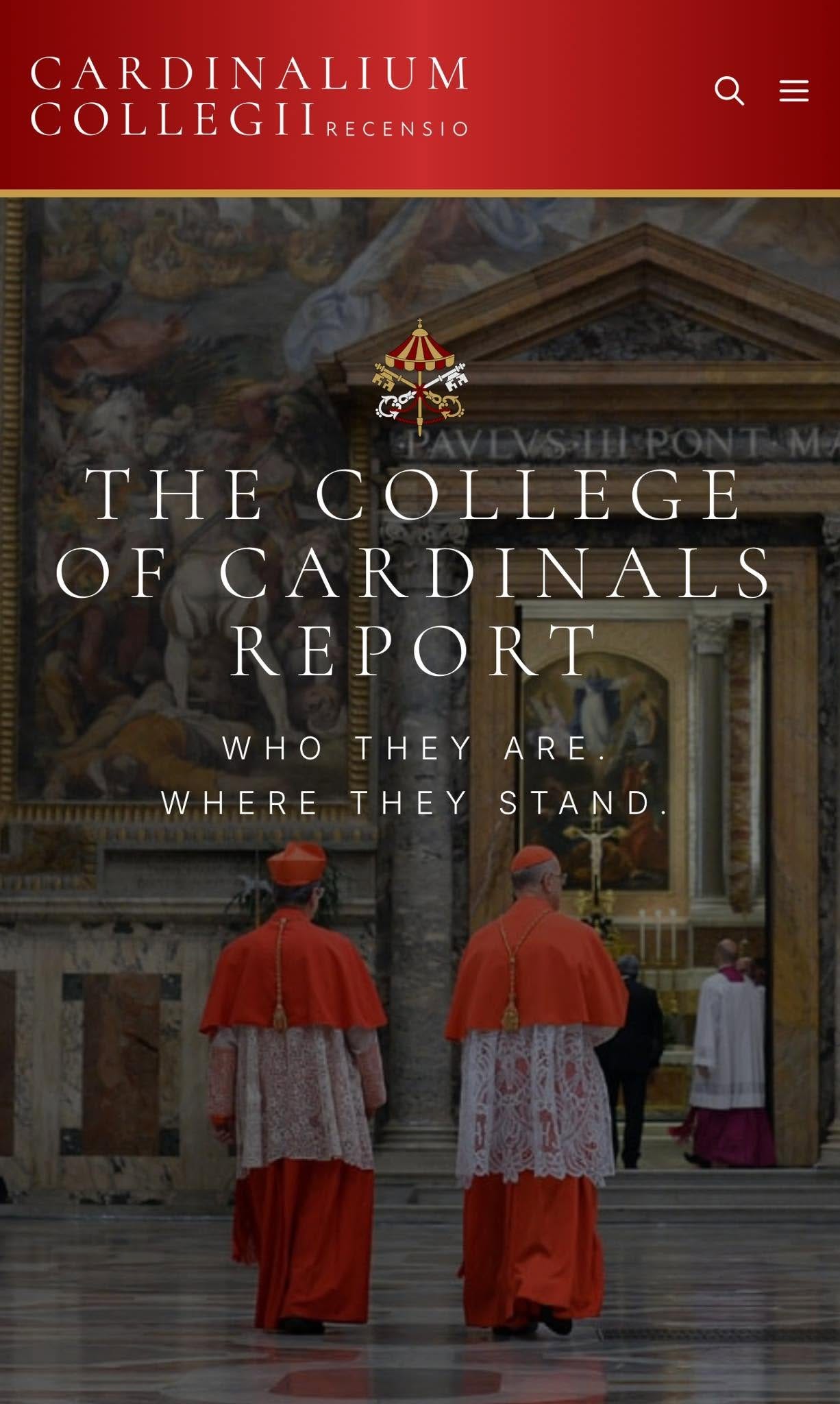
Before the cardinals gathered last spring, a well-funded conservative operation called the College of Cardinals Report assembled dossiers on the leading candidates.
Its naked goal was to ‘expose’ liberal candidates and assure the cardinals elected a pontiff in their own image and likeness.
Its researchers hunted for a paper trail on Robert Prevost and came back nearly empty-handed. No books. He spoke sparingly on contested questions, and the weightiest entry in his written record was a canon law dissertation from the late 1980s.
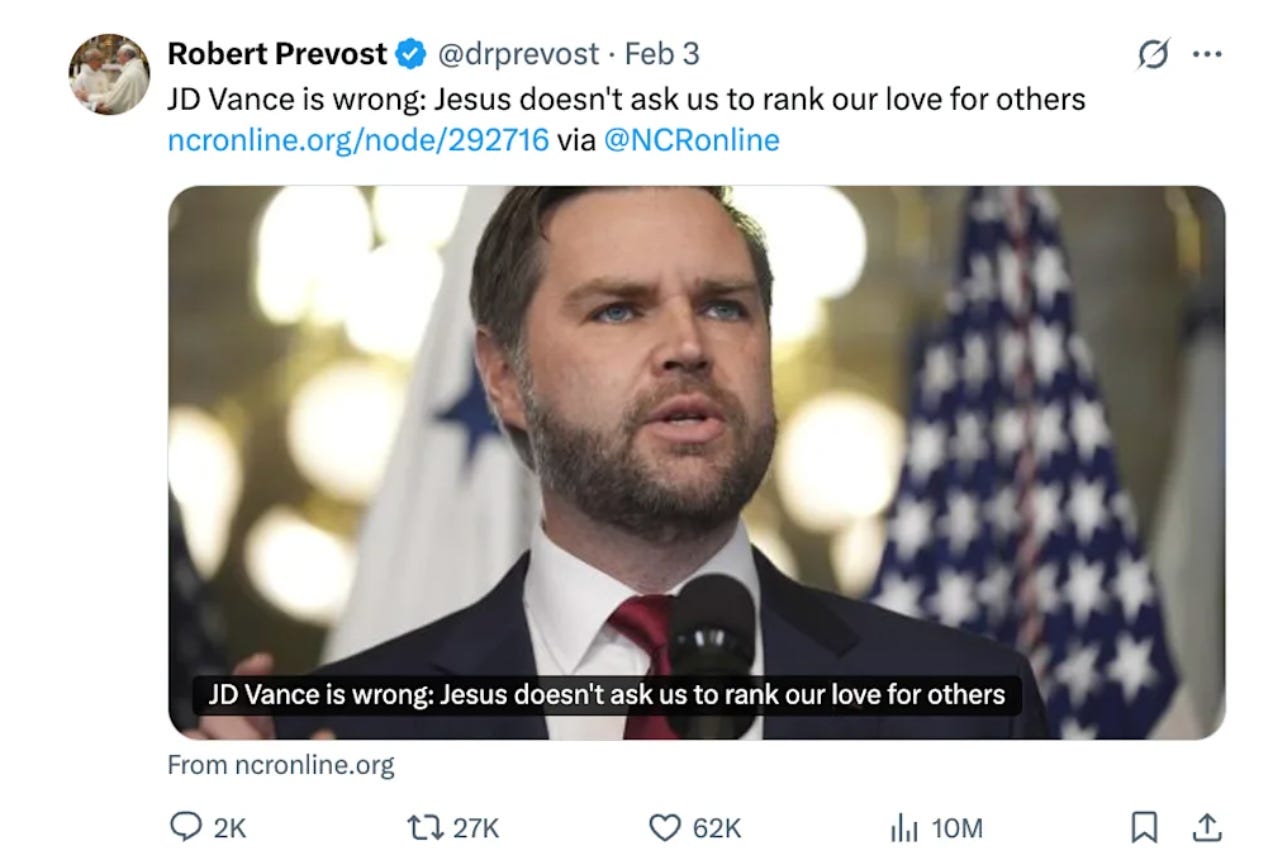
But their research missed the biggest piece of evidence sitting in plain sight: Prevost kept a public account on X carrying years of left-of-center statements on gun control, immigration, and this administration’s appetite for war, with an unmistakable pro-life from womb to tomb witness threaded throughout.
All that money, and nobody read the man’s Twitter.
The thin file has a biography behind it. Ordained a priest in 1982, Prevost spent his formative decades as a missionary in Peru, led the worldwide Augustinian order from Rome, and went back to Peru as a bishop; the Vatican only claimed him for good in 2023, two years before the conclave.
He learned what it means to be a priest — pastor, missionary, brother among brothers — for more than three decades before the Church made him a diocesan bishop at fifty-nine. It shows in how little he needs the sound of his own voice.
On the Church’s internal quarrels, Leo is mostly keeping his powder dry. Most I talked to in Rome see that as a purposeful strategy.
2. The operating manual is from an Irish novelist
One document surfaced in my conversations more than anything Leo has written himself, and a novelist produced it as comedic relief.
Two weeks after the conclave, Colm Tóibín published a remarkable essay in the London Review of Books.
