


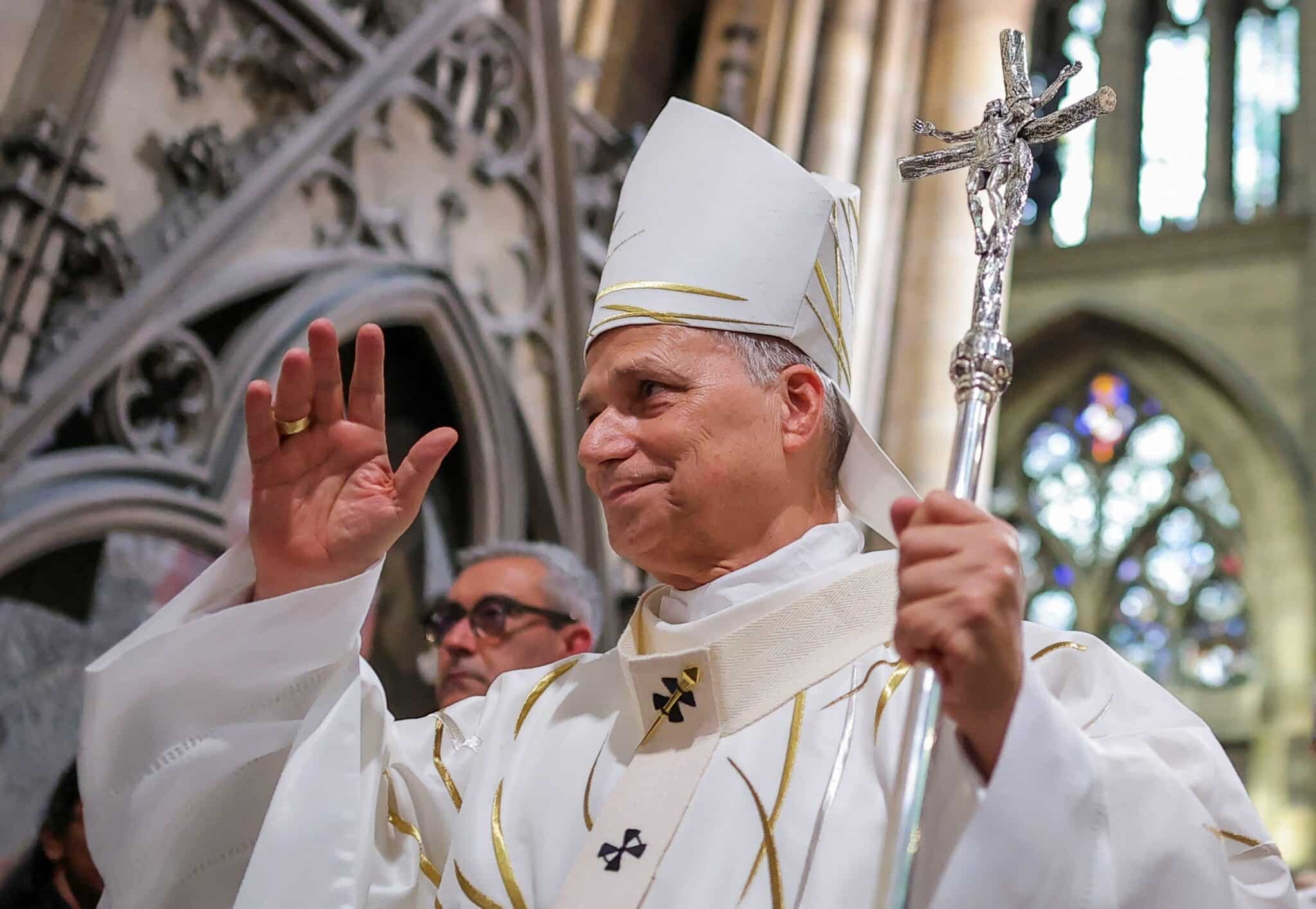
Thank you for reading! Letters from Leo is a reader-supported publication and the fastest-growing Catholic community in the country. To receive new posts and support this movement, consider becoming a free or paid subscriber.
Pope Leo XIV received a gathering of artists and curators in the Consistory Hall of the Apostolic Palace on Friday morning and asked them to help the Church hold a line that Silicon Valley would very much like erased.
A few hours later, the pope’s @Pontifex account posted a passage lifted straight from the address:

By Friday afternoon the post had passed 6.4 million views on X, with more than 180,000 likes and 36,000 reposts. (The pope’s monthly prayer intention, posted the day before on the worthy subject of mental health ministry, had drawn about 437,000.)
The full address is sharper than the tweet. Leo warned the artists that search engines “merely return what already exists and tend to give us what we already want,” and he named the risk that follows: “the great danger is not only censorship but also homogenization.”
Art, in his telling, forces us to stop before “that which cannot be consumed.”
The Times story catches fire
Friday’s address landed at the end of a week that began with a story about the same fight. On Tuesday, Elizabeth Dias of the New York Times reported that Anthropic co-founder Chris Olah, after reviewing Magnifica Humanitas in advance, proposed that his company pull out of the encyclical’s May 25 launch at the Vatican. His objection was that the document denies machines are conscious.
Anthropic then lobbied the pope’s advisers to reconsider. Dias found that the company had spent the better part of a year courting religious scholars in private meetings, many held under nondisclosure agreements, meant to raise the possibility that its Claude models “might be conscious or have moral status.”
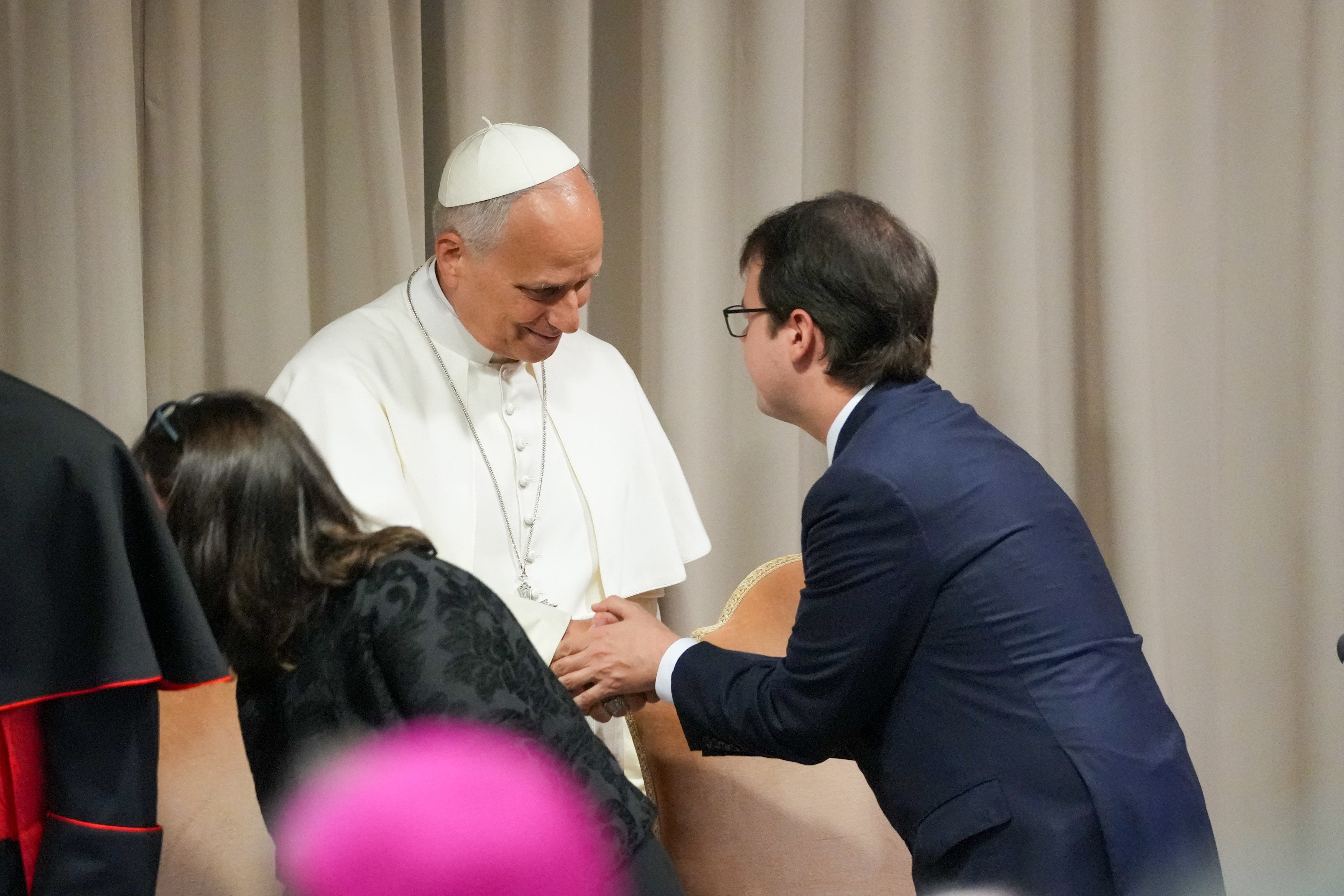
For a few days the story stayed mostly inside the world of people who follow AI and the Vatican closely. On Thursday and Friday, it broke out. The post I wrote about it Friday morning has now passed 3 million views on X.

I think I know why it took a few days to catch. The Times built its story around the consciousness question, with academics and theologians weighing whether Claude might have moral standing. That debate is worth having, yet it buried the bigger news: a leading AI company lobbied the Vatican this aggressively to change what the Church teaches about the human person.
Once readers saw that, the obvious question followed close behind. Why would a software company need the pope’s blessing?
The answer is simple enough. Silicon Valley wants moral cover, and the Catholic Church, with 1.4 billion members, is the moral authority it most wants to borrow.
Where the public stands
Put Tuesday’s story beside Friday’s tweet and the public verdict is easy to read. One of the best-funded companies in Silicon Valley leaned on the Church to soften its teaching on the human person, and the Church declined. Days after the news emerged, the pope told a room of artists that algorithms lack the spark of humanity, and the post reached millions of people within hours.
The reaction has been building for months. Charlie Camosy tallied it in Religion News Service on Tuesday: Bill Gates wrote that the encyclical “lays a strong foundation for the work that needs to be done,” and Notre Dame has committed more than $50 million to putting it into practice.
Tyler Austin Harper, a staff writer at The Atlantic, explained why on Friday. Quoting the pope’s post, Harper wrote that “religious—particularly catholic—critics are speaking to the public’s moral disquiet in a way that secular thinkers, reliant on utilitarian claims about harm, are not.”


In the thread that followed, Harper argued that secular critics are mostly left making their case on “empirical harm, water consumed, labor exploited,” which matters but “leaves unaddressed the almost species-level disquiet many feel.”
His conclusion was blunt. AI, he wrote, “has exposed the spiritual, moral, and perhaps even metaphysical thinness of much secular thought.”
Harper is right. The data centers do consume enormous amounts of water, and the models were trained on the work of writers and artists, much of it uncompensated. A ledger of those harms still cannot answer the question millions of people are now asking, which is whether a human being remains worth anything once a machine can imitate her.
Leo answers it in the oldest language the West has. On Friday he reminded the artists of what he had said at Lourdes on Sunday, that the human person is “‘worthy’ simply by virtue of existing and of being destined for eternity.” A statistical model cannot say that sentence and mean it.
The leader of the free world
This is why I wrote this week that Pope Leo XIV is the leader of the free world. Last Saturday he drew 800,000 people to the Champs-Élysées, and the Wall Street Journal’s Gerard Baker called him “the one man in the world most of us can look up to.”
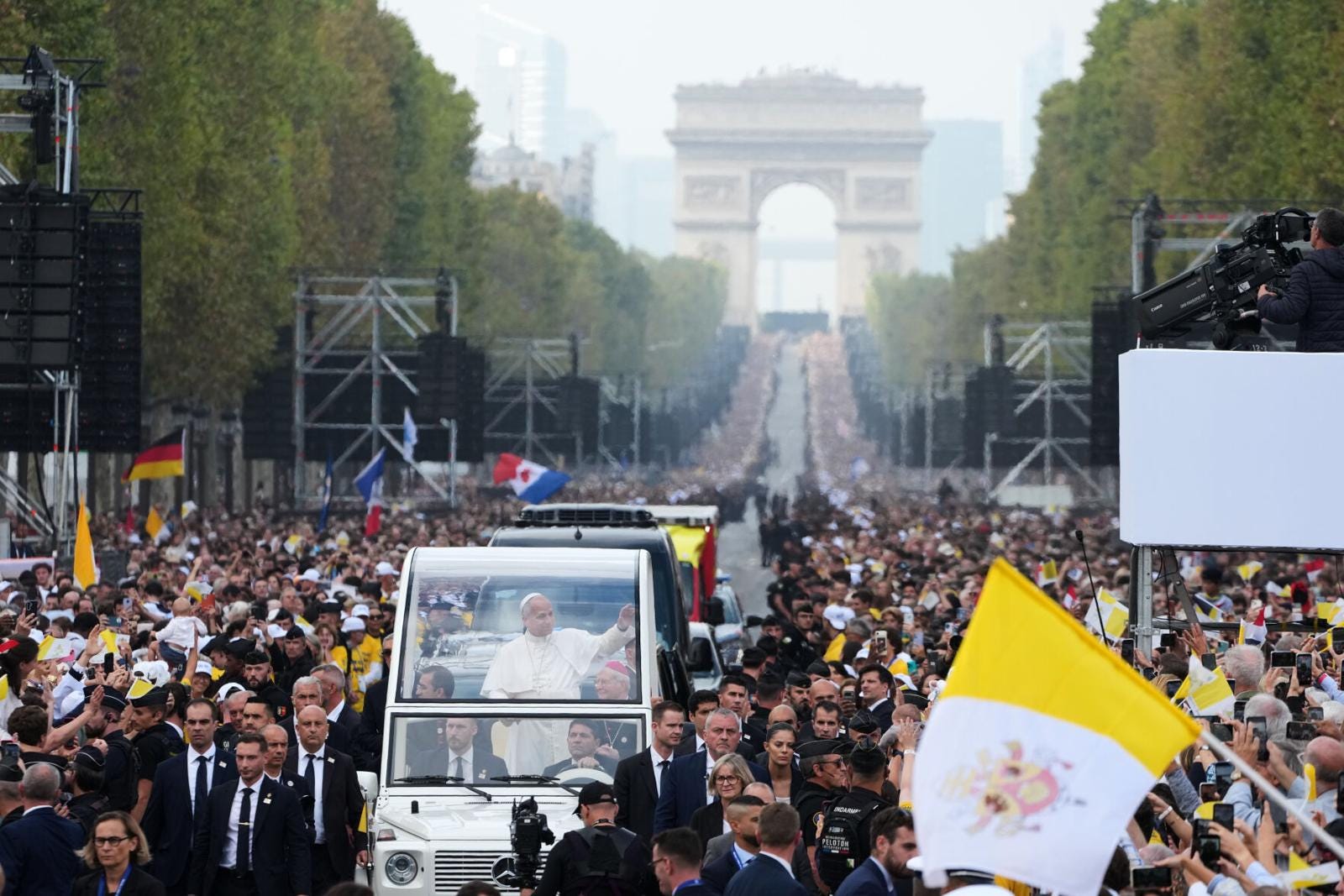
On Friday I put it plainly on X:

The tech oligarchs have the money and the servers. Peter Thiel has now attacked the pope three times, most recently calling him “a useful idiot for the Chinese Communists.” What Leo holds is the trust of ordinary people who can feel their own humanity being priced and sold back to them.
Populism has earned a bad name in American life, since it has mostly meant demagogues stoking resentment for their own gain. Leo practices a different kind. He stands with the many against a powerful few by reminding the many what they are worth in the eyes of God.
In this fight the pope has become the defender of humanity itself, our promoter and our protector, and the reaction this week shows that the public knows it. The only question left is whether the rest of us will stand beside him.
At Letters from Leo, we stand with Pope Leo XIV and the millions of Catholics (and countless others of goodwill) who believe a human being is more than a dataset, and that no company gets to decide who counts as a person.
The billionaires building these machines have spent years telling us that their products will save us. Pope Leo keeps returning to an older claim, that we were already saved, at a far higher price, by a God who took on flesh.
This is the fastest-growing Catholic community in the country because people are hungry for a moral voice that cannot be bought by Silicon Valley.
If you believe this movement matters, with Catholics and people of goodwill standing for the dignity of the human person against those who would reduce it to code, I am asking you to join us.
If you’d like to invest in our mission, here are three ways you can help:
Subscribe as a paid member to receive exclusive posts about the life and formation of Pope Leo and help sustain this newsletter.
Donate with a one-time gift to fuel this project’s mission.
Share this post (and Letters from Leo) with a friend who might enjoy it.
Paid subscribers get our ongoing series on Pope Leo’s Life & Formation, along with every installment of Pope Leo Takes On AI and our Sunday Scripture Reflection Series.
Whether you give $0, $5, $50, $500, $1,000, or more, your presence here matters — no matter your faith or your politics.
Thank you for reading. I’ll see you on the road.

Thank for the great newsletter, Chris. At times we must bring prayer into our homes and hearts faith will always abide with in us. I will pray for Pope Leo and our nation.
Praying n praying